
How to List Your Property: Photos, Details and Honest Descriptions
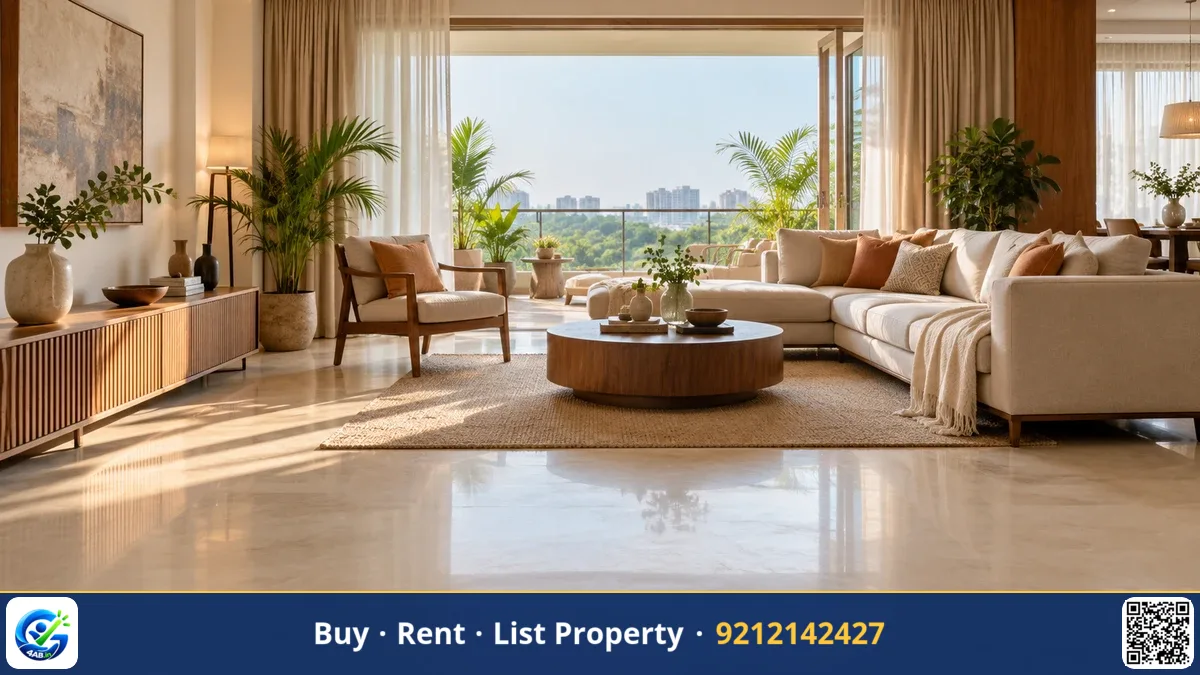
Listing a home, plot, or commercial space online can connect you directly with serious buyers and tenants across India. However, an incomplete or vague post often invites casual callers while turning away discerning seekers. Creating a well-crafted listing does not require marketing tricks. Instead, it relies on daylight photography, straightforward spatial dimensions, transparent pricing, and factual local context. On GreatProperty (4ab.in/property), where people buy, sell, or rent flats, houses, plots, and commercial space, listings are free and reviewed before going live, with no brokerage involved. Taking time to present your space accurately ensures your listing passes review smoothly and attracts genuinely interested parties.
Prepare the Space Before Capturing Photos
Visual presentation is often the first filter a home seeker uses when browsing property portals. Cluttered rooms, unmade beds, or poorly lit hallways make spaces feel smaller and neglected. Before taking a single photograph, invest an afternoon in basic preparation to show the asset at its functional best.
- Declutter surfaces: Clear kitchen counters, dining tables, bathroom ledges, and bedside stands of personal toiletries, drying clothes, and loose wiring.
- Clean thoroughly: Wipe down kitchen tiles, polish floor tiles, clean window panes, and clear out cobwebs from ceiling corners.
- Ensure functional lighting: Replace any fused light bulbs in bathrooms, balconies, and entryways to ensure every corner can be illuminated.
- Keep pets and personal items away: Remove personal photo frames, religious displays, and pet accessories where possible so visitors can visualize their own life in the space.
Photograph Each Room in Natural Daylight
Smartphones today are equipped with capable cameras, making professional equipment unnecessary if you understand lighting and perspective. Avoid shooting late in the evening under yellow artificial bulbs, which distort wall colours and cast heavy shadows.
- Shoot during peak daylight: Open all curtains and window blinds in the morning or early afternoon to flood rooms with natural outdoor light.
- Hold the camera at chest level: Stand in the doorway or corner of the room to capture maximum floor area and two to three walls simultaneously, providing spatial depth.
- Maintain a horizontal orientation: Always use landscape orientation to capture the width of living areas, bedrooms, and wide kitchen counters.
- Follow a logical visual sequence: Arrange your images starting from the building exterior and main entrance, moving through the living room, kitchen, bedrooms, bathrooms, and finally the balcony or utility area.
- Capture external amenities: Include clear photos of reserved parking slots, lift lobbies, water storage tanks, power backup units, and the approach road.
Specify Precise Dimensions and Property Configuration
Vague terminology like "spacious 2 BHK" or "huge plot" leads to mismatched expectations and wasted site visits. Serious seekers look for concrete figures to evaluate whether their furniture and family requirements fit the space.
State the carpet area clearly alongside the built-up or super built-up area where applicable. If you have an approved architectural floor plan or layout map from the municipal authority, mention the room dimensions in feet or metres. For independent houses and residential plots, clearly state the boundary measurements, plot facing, and the width of the front-facing road. In commercial properties, outline the usable floor plate, ceiling height, dedicated washroom provisions, and electrical load capacity.
Disclose Essential Infrastructure and Maintenance Terms
Day-to-day livability depends heavily on basic utilities. Being open about these factors prevents misunderstandings later during negotiations or tenancy agreements.
- Water supply sources: Specify whether the property receives municipal piped water, borewell supply, private tanker deliveries, or a combination, along with daily supply timings.
- Power reliability and backup: Clarify whether there is an inverter provision, dedicated generator backup for the flat, or backup limited only to common society areas.
- Parking allocation: Clarify whether the parking space is covered, open, stilt, or mechanical, and whether it is officially demarcated or on a first-come basis.
- Recurring society maintenance: State the exact monthly or quarterly maintenance charges and whether this payment is included in the quoted rent or payable separately to the resident welfare association.
- Security and access: Highlight features such as perimeter security guards, visitor management systems, CCTV coverage, and access card entry.
Provide Contextual Neighbourhood and Commute Details
Buyers and tenants evaluate an entire locality, not merely four walls. Provide honest distances in kilometres or realistic walking times rather than vague claims like "two minutes from everywhere".
Highlight proximity to operational metro stations, major arterial ring roads, and local bus terminals. Mention dependable grocery markets, public parks, schools, and hospitals within a reasonable radius. If the area experiences specific seasonal challenges, such as monsoon waterlogging on the access lane or ongoing municipal flyover construction, sharing this context upfront builds credibility with serious applicants who know the city.
Maintain Transparency in Legal Status and Financial Expectations
Clarity regarding financial expectations saves hours of unproductive telephone calls. If you are selling, state whether the property title is freehold or leasehold, and whether approved building completion or occupancy certificates are in place. For rental properties, specify the expected monthly rent, security deposit terms, notice period, and preferred lease tenure.
Real estate regulations, tenancy rules, property tax assessments, and stamp duty rates differ widely across individual Indian states and union territories, and they are amended periodically. Readers should independently verify all legal paperwork, title deeds, encumbrance certificates, and registration procedures with the local sub-registrar office or a qualified property lawyer before completing transactions.
Key takeaways
- Tidy up, declutter, and photograph every room in clear morning or afternoon daylight using landscape mode.
- State exact carpet area, room dimensions, boundary details, and approach road width instead of using vague descriptors.
- Clarify practical utilities upfront, including municipal water availability, power backup, and dedicated parking allocations.
- Itemise all financial terms transparently, including expected security deposits, advance rent, and recurring maintenance fees.
- Verify all property deeds, tenancy agreements, and state-specific stamp duty obligations with a qualified legal professional or the local sub-registrar office.
This article is general information, not legal or financial advice. Laws, stamp duty and rent rules differ from state to state and change over time — confirm the details with the local sub-registrar office or a qualified lawyer before you sign or pay.