How to Take Consistent Blood Pressure Readings for Your Doctor
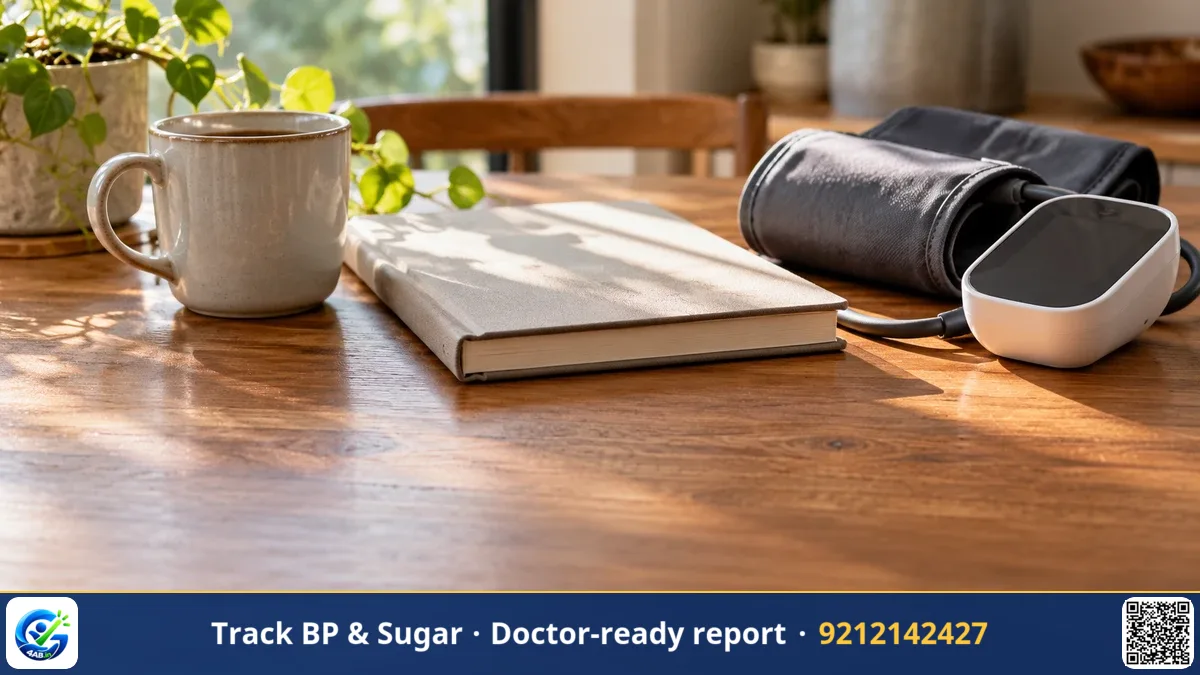
Bringing a notebook or digital log of home blood pressure readings to a healthcare consultation can be incredibly helpful, but individual measurements often fluctuate throughout the day. A single elevated or low number rarely paints a complete picture of your routine cardiovascular health. What healthcare providers value most is consistency across days and weeks, which allows them to observe meaningful patterns rather than isolated outliers. Learning how to prepare your body, position your monitor, establish a steady routine, and organize your documentation ensures that the records you share are clear, dependable, and easy for your clinician to review.
Prepare Your Body Before Sitting Down to Measure
Blood pressure responds dynamically to physical exertion, temperature shifts, emotional stress, and ordinary daily habits. Rushing directly from a household chore, a phone conversation, or a brisk walk to the monitor can produce a measurement that reflects temporary physical excitement rather than your resting baseline. Giving your cardiovascular system an adequate opportunity to settle before pressing the start button is essential for gathering repeatable, meaningful data.
To establish a calm and steady baseline before every session, consider these practical preparation steps:
- Rest quietly for the time your device manual suggests (often around five minutes) in a comfortable chair without speaking, reading stressful news, or browsing stimulating content on your mobile phone.
- Empty your bladder beforehand, as a distended or full bladder can introduce temporary physical tension and raise your reading.
- Avoid vigorous exercise, heavy meals, tobacco, and caffeine immediately before measuring, in close accordance with your device manual.
- Keep room temperatures comfortably temperate, as feeling noticeably cold or overheated can influence peripheral circulation and alter readings.
- Unwind your thoughts by taking slow, rhythmic breaths to help release residual tension from your shoulders and neck.
Master Proper Posture and Cuff Placement
Physical positioning has an immediate and direct physical effect on pressure measurements. Slouching on a couch, crossing your legs, or allowing your arm to dangle below your heart level can skew readings significantly. Applying proper technique ensures that every measurement you record adheres to the same reliable physical standard.
Sit upright in a supportive chair with your back resting fully against the backrest and both feet planted flat on the floor. Avoid crossing your ankles or legs at any point during the session. Rest your bare arm on a flat table or sturdy desk so the middle of the cuff sits naturally level with your heart. If your arm rests too low, use a cushion or folded towel to raise it to the correct level.
Slide the cuff snugly around your bare upper arm according to the instructions in your device manual, leaving enough space to comfortably slip one fingertip beneath the fabric edge. During the measurement cycle, remain completely silent and perfectly still, breathing naturally without speaking, shifting your feet, or tensing your hands.
Establish a Dependable Morning and Evening Schedule
Because blood pressure follows natural daily rhythms, measuring at erratic hours makes it difficult for your clinician to distinguish normal diurnal changes from broader trends. Adopting a structured schedule turns home monitoring into a predictable, low-friction habit.
A consistent schedule helps build an informative record over time:
- Morning check: Take a measurement at the time your doctor has asked for, for example shortly after waking, after using the restroom and resting quietly.
- Evening check: Take a second measurement in the evening, ideally before dinner or several hours after your evening meal while you are resting quietly.
- Repeat duplicate readings: When suggested by your healthcare provider, take two consecutive readings spaced one to two minutes apart during each sitting, recording both to ensure accuracy.
To keep this rhythm steady, you can configure separate reminders within your routine calendar so that each check occurs at approximately the same time each day, reinforcing consistency across busy weekdays and weekends alike.
Record Surrounding Context Alongside Every Reading
A bare pair of numbers rarely tells the whole story. Blood pressure exists alongside sleep quality, physical activity, emotional tension, and dietary habits. Logging contextual details helps your doctor understand the specific circumstances surrounding unusual fluctuations or unexpected patterns.
Whenever you log a reading, take a moment to note relevant lifestyle factors that might influence your readings:
- Routine timings: Use clear tags to mark readings as fasting, before meal, after meal, random, or bedtime.
- Daily habits: Note meals, physical activity levels, and estimated hours of restful sleep from the previous night.
- Observed symptoms: Log any physical feelings, such as headaches or lightheadedness, without attempting self-diagnosis.
- Dosing records: Keep an accurate medicines taken-missed-skipped log so your clinician knows whether your scheduled regimen was maintained.
In an emergency or if a symptom worries you, contact emergency services or a doctor instead of using the app.
Organize Your Long-Term Information for Clinical Review
Handwritten scraps of paper and fragmented notes can easily become misplaced or difficult to decipher during a brief clinical appointment. Organizing your records into structured formats saves valuable consultation time and facilitates focused discussions with your care team.
A dedicated tool like BP & Sugar Tracker simplifies this entire process. The free web app is free to start and allows people to record blood pressure, blood sugar in mg/dL or mmol/L units, pulse, weight, medicines, meals, activity, sleep, and symptoms. Quick-add buttons make daily data entry effortless, while an interactive calendar lets you review historical entries at a glance. To assist your doctor, you can inspect trends over 7/30/90 days, generate a clean printable doctor report, or perform a CSV export for personal archival. Always remember that the app records what the user enters and does not interpret it medically, and you should always follow your own doctor's instructions and device manual.
Key takeaways
- Rest quietly and sit comfortably before taking a measurement, as your device manual describes.
- Support your back, keep both feet flat on the floor, and position your cuffed arm level with your heart.
- Measure at consistent morning and evening times to establish reliable cardiovascular trends.
- Record surrounding lifestyle factors, including sleep, meals, activity, and whether medications were taken or skipped.
- Bring an organized printable report or long-term trend summary to each doctor appointment for productive review.
This article is general information about using a tracking app and keeping a health diary. It is not medical advice, diagnosis or treatment, and BP & Sugar Tracker does not interpret your readings medically. Follow your own doctor’s instructions. In an emergency, or if a symptom worries you, contact emergency services or a doctor instead of using the app.