Q30 · CSIR-NET Chemistry, June 2011
Paper: CSIR-NET June 2011 · Subject: Organic Chemistry · Chapter: Reagents, Reaction Mechanisms & Named Reactions · Topic: Reagents, Reaction Mechanisms & Named Reactions – General · Marks: 2 · Difficulty: Hard
Under review — part of this question (a structure or an option) is not clear in the source scan. 4AB is checking it against the original book; the answer shown may change.
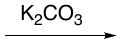
In the following reaction sequence, the correct structures for the major products X and Y are 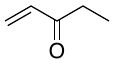


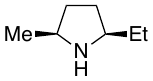

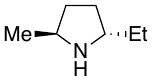

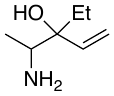

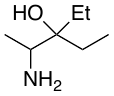
(a)

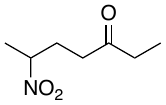
(b)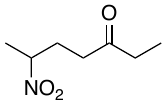
(c)
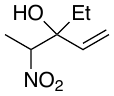
(d)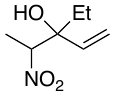
Answer
Under review — not yet confirmed.
Answer: A
The source book printed B; on checking, A is correct — see the explanation.
Explanation
Michael addition of nitroethane to ethyl vinyl ketone (K₂CO₃) gives the γ-nitroketone X; hydrogenation reduces NO₂ to NH₂, which condenses to the cyclic imine and is hydrogenated from the less hindered face to cis-2-ethyl-5-methylpyrrolidine (a).
Study loop for Reagents, Reaction Mechanisms & Named Reactions