Q7 · CSIR-NET Chemistry, June 2014

Paper: CSIR-NET June 2014 · Subject: Organic Chemistry · Chapter: Reagents, Reaction Mechanisms & Named Reactions · Topic: Reagents, Reaction Mechanisms & Named Reactions – General · Marks: 2 · Difficulty: Medium

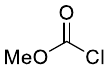
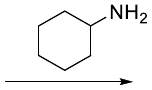
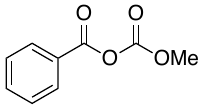
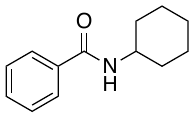
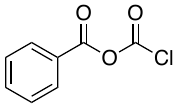
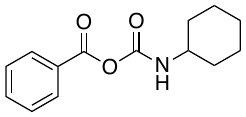
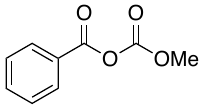
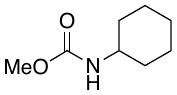
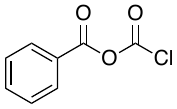
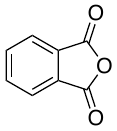
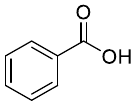
The products A and B in the following reaction sequence are: Question structure 1 of 5, ABC26OR0233 Question structure 2 of 5, ABC26OR0233 Question structure 3 of 5, ABC26OR0233 → Question structure 4 of 5, ABC26OR0233 Question structure 5 of 5, ABC26OR0233 (B)
(a)Option (a) structure 1 of 3, ABC26OR0233 Option (a) structure 2 of 3, ABC26OR0233 B = Option (a) structure 3 of 3, ABC26OR0233
(b)Option (b) structure 1 of 3, ABC26OR0233 Option (b) structure 2 of 3, ABC26OR0233 B = Option (b) structure 3 of 3, ABC26OR0233
(c)A = Option (c) structure 1 of 3, ABC26OR0233 Option (c) structure 2 of 3, ABC26OR0233 Option (c) structure 3 of 3, ABC26OR0233
(d)Option (d) structure 1 of 4, ABC26OR0233 Option (d) structure 2 of 4, ABC26OR0233 Option (d) structure 3 of 4, ABC26OR0233 Option (d) structure 4 of 4, ABC26OR0233
Answer
Answer: A ✓ checked by 4AB · confidence high
Explanation
Methyl chloroformate/Et₃N converts benzoic acid into the mixed carbonic anhydride (A); cyclohexylamine attacks the more electrophilic benzoyl carbonyl, releasing CO₂ and MeOH, to give N-cyclohexylbenzamide (a).

Study loop for Reagents, Reaction Mechanisms & Named Reactions

1. Practise the PYQsPrevious-year questions, with answers

· Browse this chapter in the app