Reaction of phenylacetylene with sodamide in liquid ammonia generates · ABC26OR0527
Subject: Organic Chemistry · Chapter: Organic Synthesis · Topic: Organic Synthesis – General · Exam: GATE 2000-2022 · Marks: 2 · Difficulty: Easy
Reaction of phenylacetylene with sodamide in liquid ammonia generates
(a)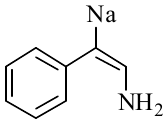
(b)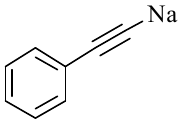
(c)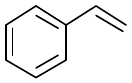
(d)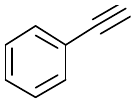
Answer
Answer: B ✓ checked by 4AB · confidence high
The source book printed no answer; this one was worked out and checked — see the explanation.
Displayed key C (styrene) is wrong: NaNH₂ is a base, not a dissolving-metal reductant. It deprotonates the terminal alkyne C–H (pKa ≈ 25 vs NH₃ ≈ 38), giving sodium phenylacetylide, option (b).
Explanation
Sodamide is a strong base. It removes the acidic terminal alkyne proton (pKa ≈ 25; NH₃ pKa ≈ 38): PhC≡CH + NaNH₂ → PhC≡C⁻Na⁺ + NH₃.
No reduction occurs: Na/NH₃ would be needed for that, and phenylacetylene is terminal anyway. NH₂⁻ does not add across the triple bond. The product is sodium phenylacetylide (b).
Study loop for Organic Synthesis