🏷️Blog tag

Inorganic Chemistry — 41 articles

Every ABC Chemistry article tagged Inorganic Chemistry.

Articles

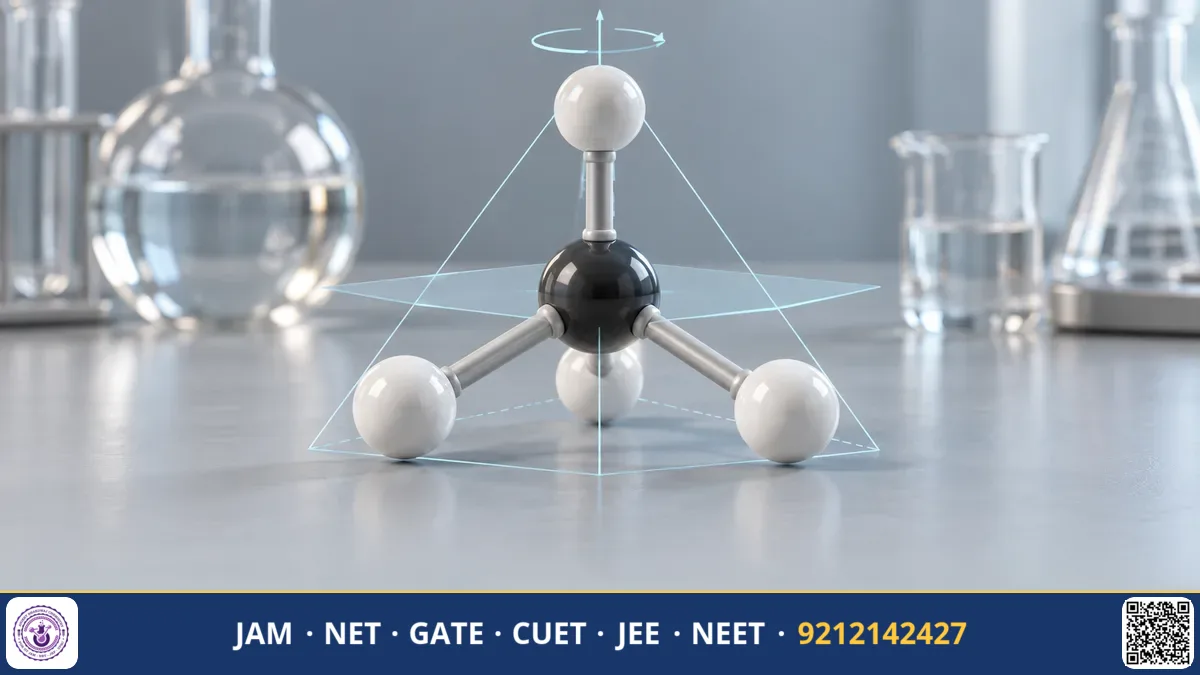
Symmetrical water and ammonia molecules showing rotation axes, mirror planes, and inversion centers
Inorganic Chemistry

Group Theory for Chemistry: Symmetry Elements and Point Groups Without the Mystery

2026-09-29
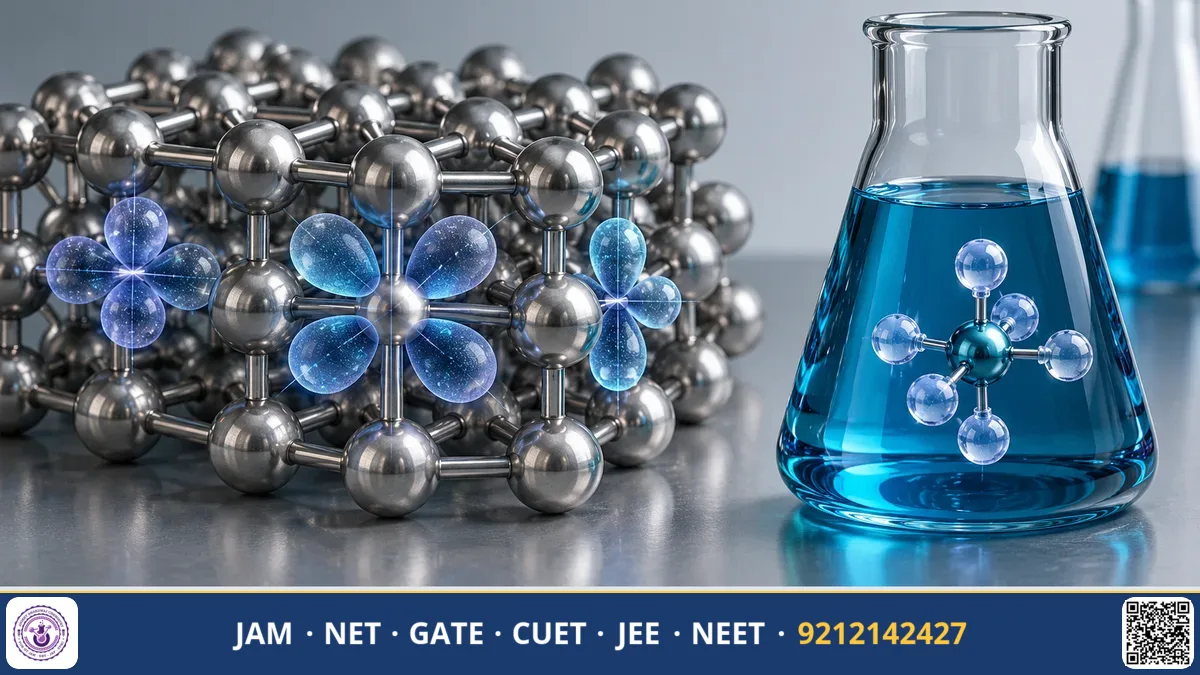
Vials of colourful transition metal salt solutions arranged next to periodic table d block rows
Inorganic Chemistry

Transition Metals: Why They Behave as a Group

2026-09-25
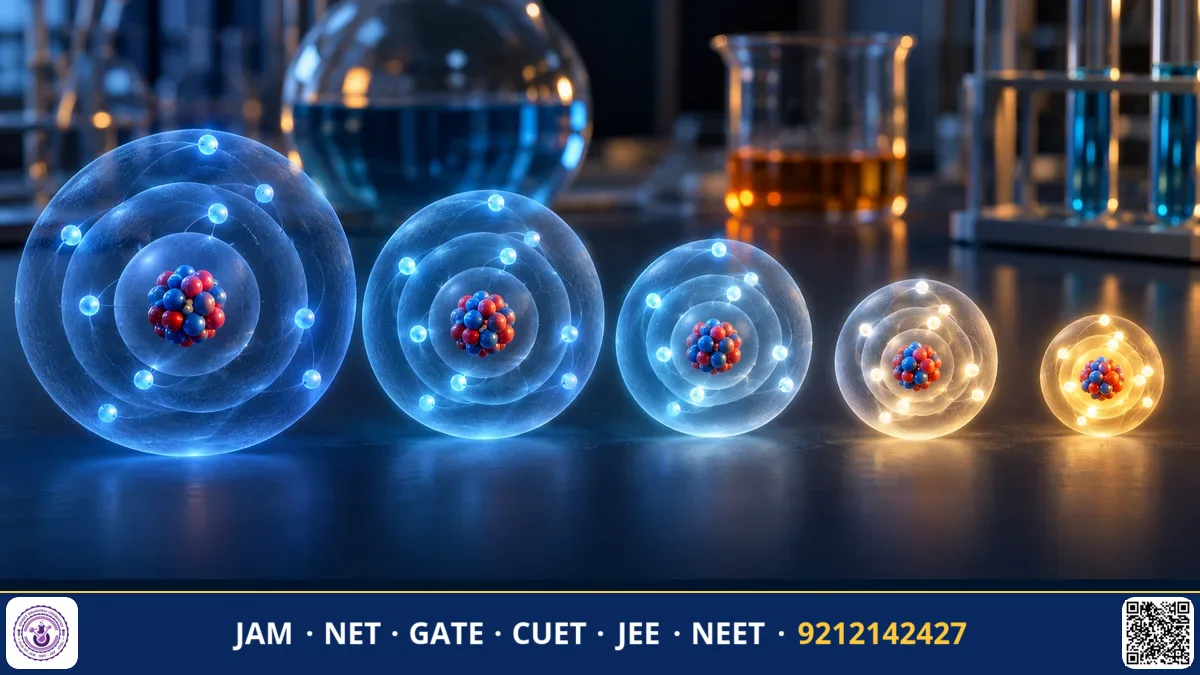
Bohr model atom diagram showing nucleus pulling valence electron cloud through inner shield layers
Inorganic Chemistry

Periodic Trends From One Idea: Effective Nuclear Charge

2026-09-25
d-orbital energy splitting diagrams comparing tetrahedral and square planar crystal fields
Inorganic Chemistry

Crystal Field Splitting in Tetrahedral and Square Planar Complexes

2026-09-24
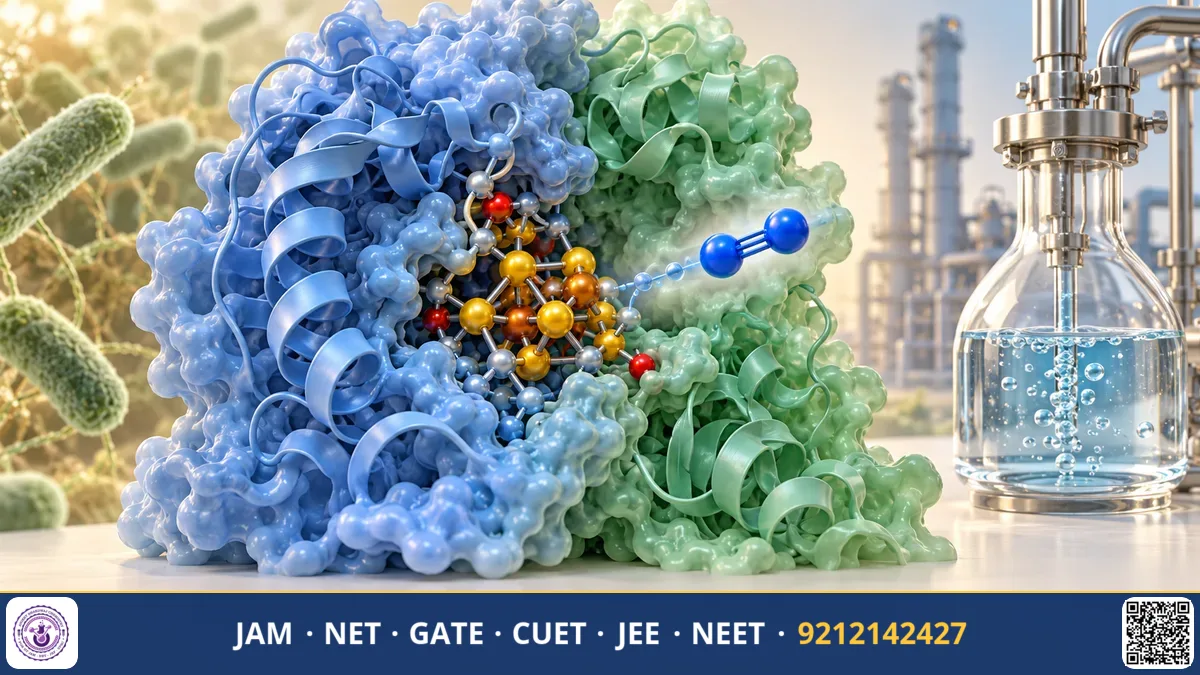
A dinitrogen molecule triple bond breaking over an iron-molybdenum nitrogenase active site catalytic cluster.
Inorganic Chemistry

Nitrogen Fixation: Why It Is Hard and How It Is Done

2026-09-22
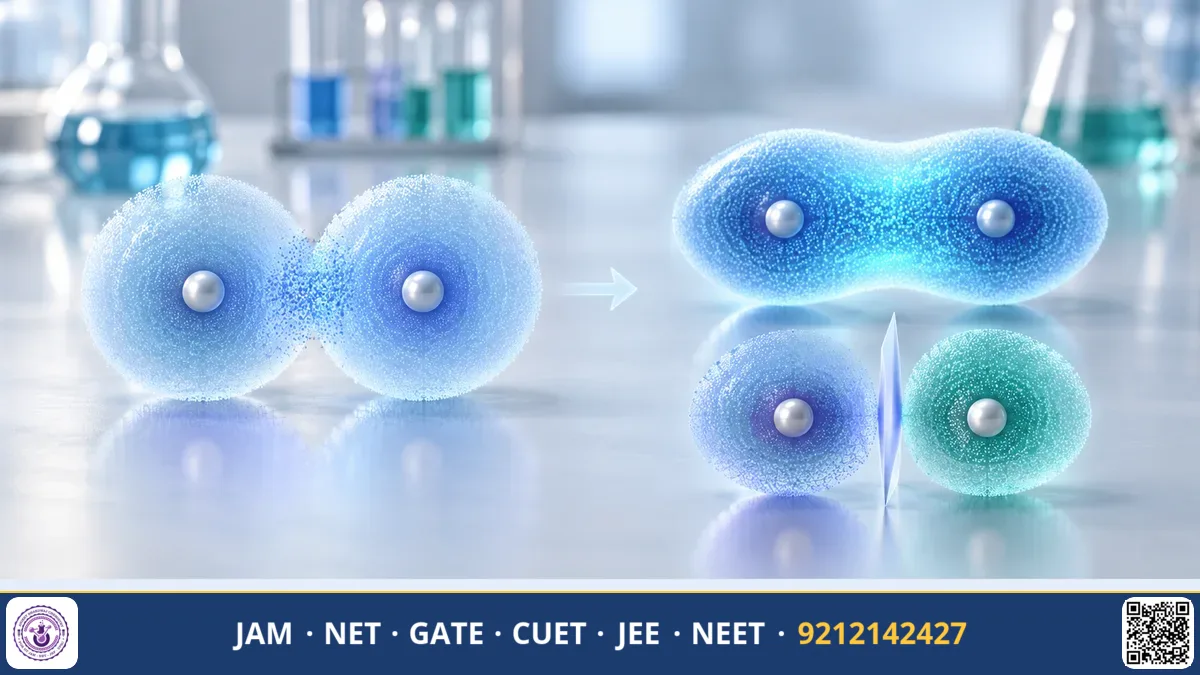
Overlapping atomic orbitals compared with a split bonding and antibonding molecular orbital energy diagram
Inorganic Chemistry

Valence Bond and Molecular Orbital Theory: What Each Explains

2026-09-21
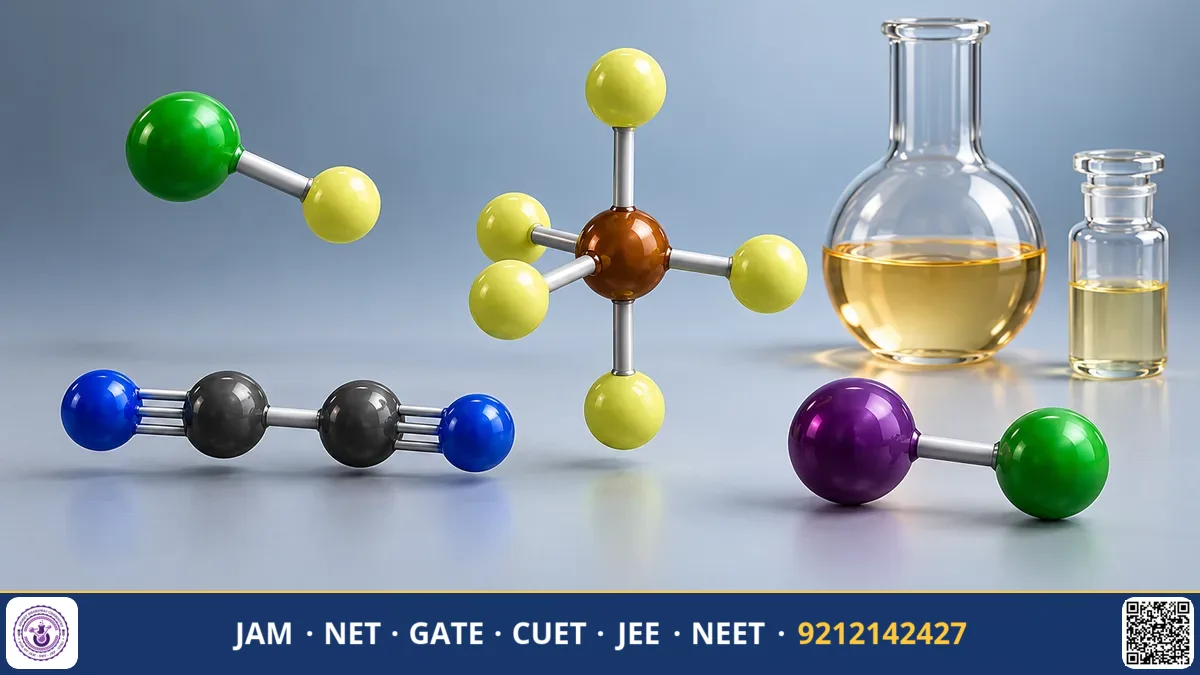
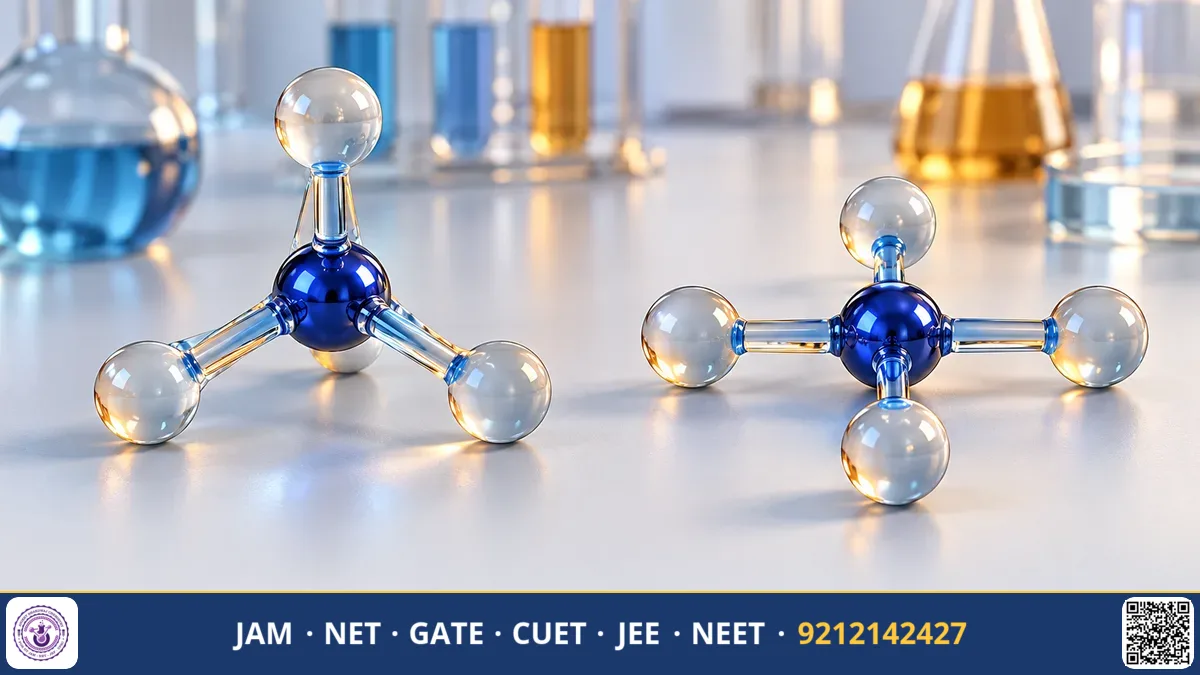
Molecular ball-and-stick models of interhalogen molecules showing T-shaped and square pyramidal geometry
Inorganic Chemistry

Interhalogen Compounds and Pseudohalogens

2026-09-21
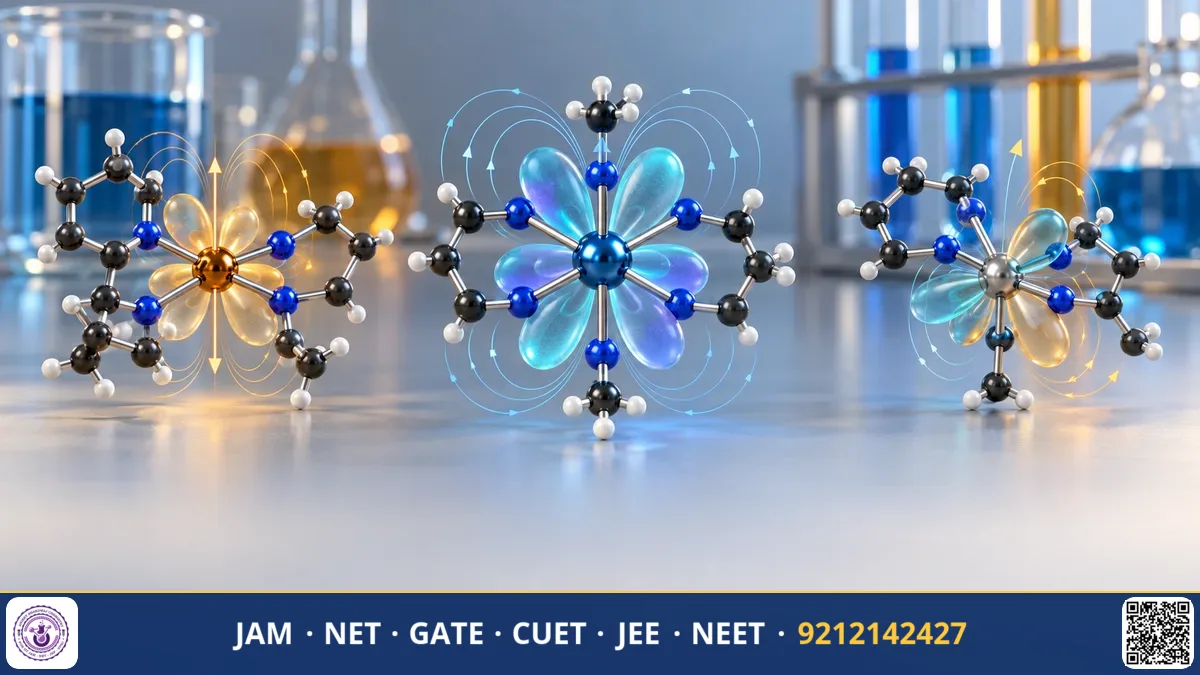
Gouy balance apparatus with sample tube between electromagnet poles showing magnetic field lines
Inorganic Chemistry

Magnetic Properties: When the Spin-Only Formula Works and When It Fails

2026-09-19
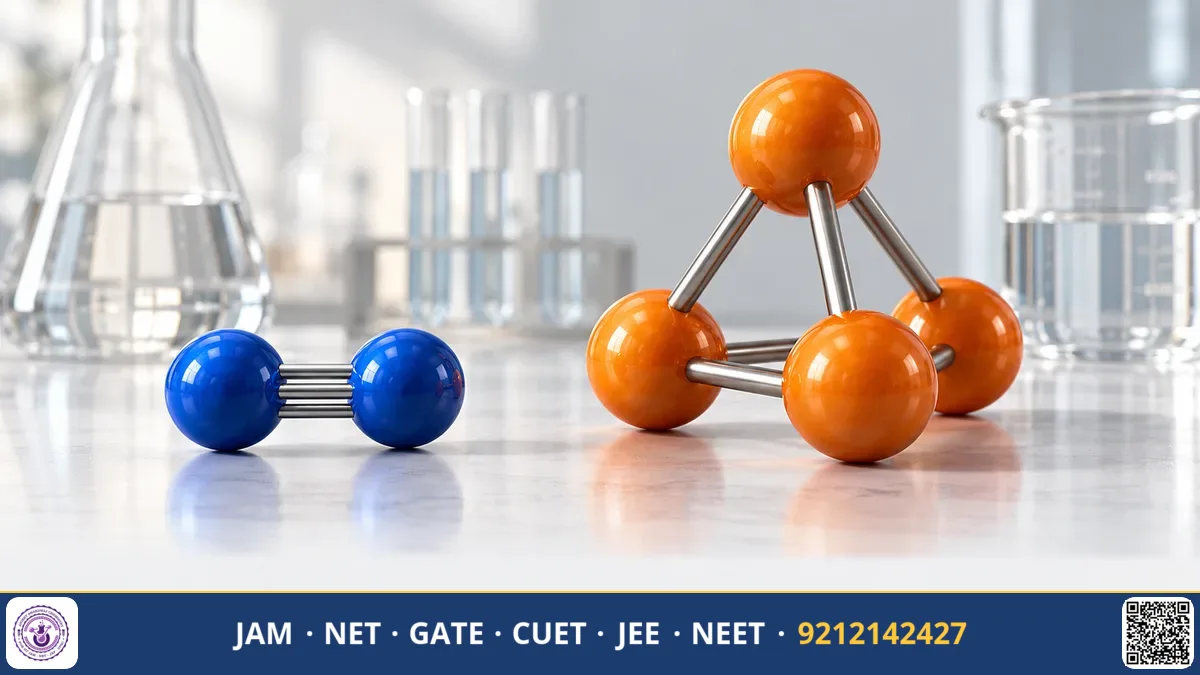
Triple bonded nitrogen gas molecule next to tetrahedral white phosphorus cage structure
Inorganic Chemistry

Nitrogen and Phosphorus: Same Group, Very Different Chemistry

2026-09-19
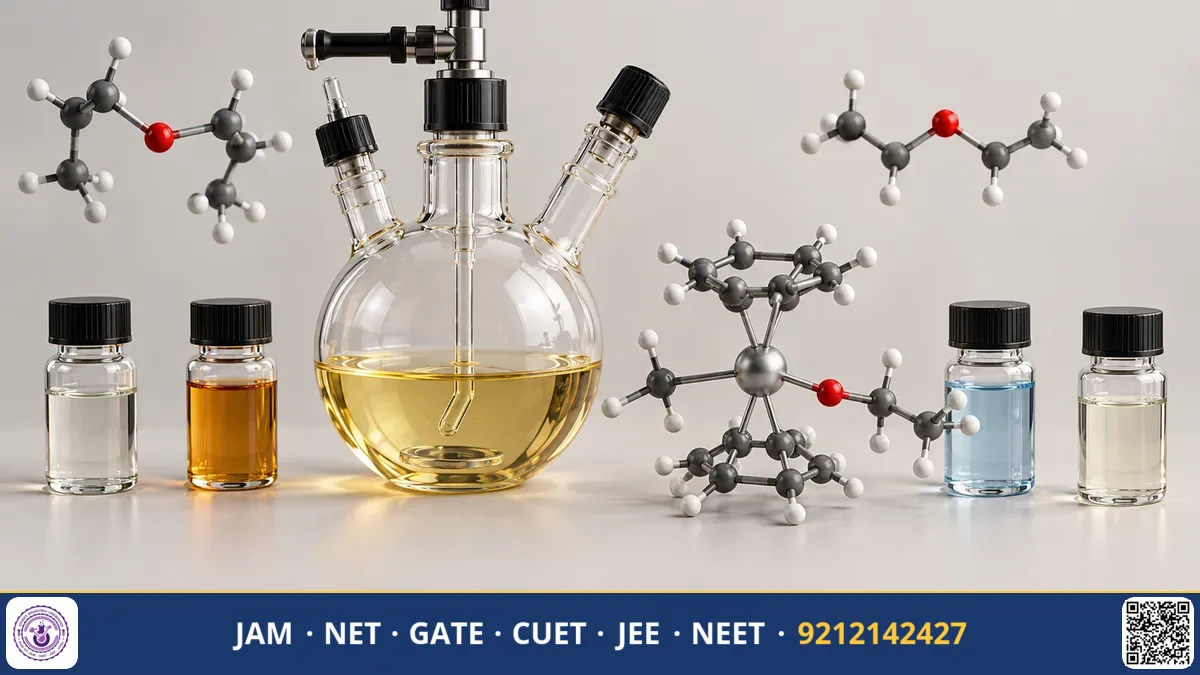
Sealed glass apparatus containing deep blue dissolved sodium in liquid ammonia with condensing vapor
Inorganic Chemistry

Non-Aqueous Solvents: Chemistry Water Cannot Support

2026-09-18
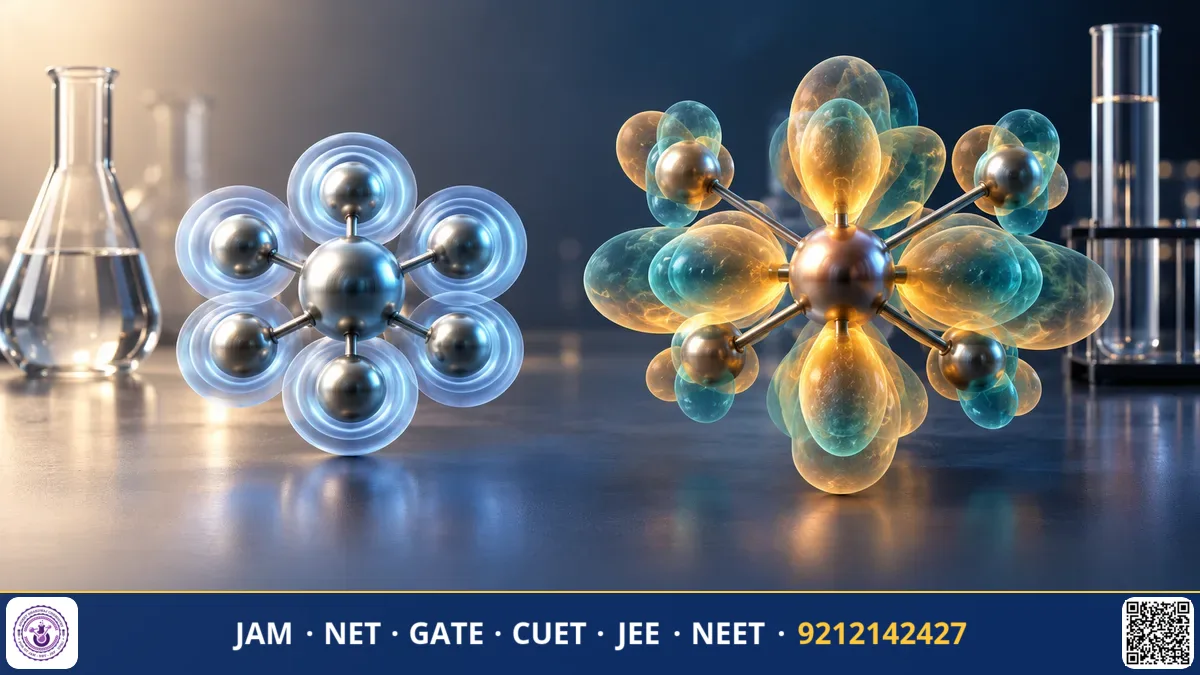
Comparison diagram of actinide and lanthanide 5f and 4f orbital shapes with oxidation state charts.
Inorganic Chemistry

Actinides: Why They Behave So Differently From Lanthanides

2026-09-17
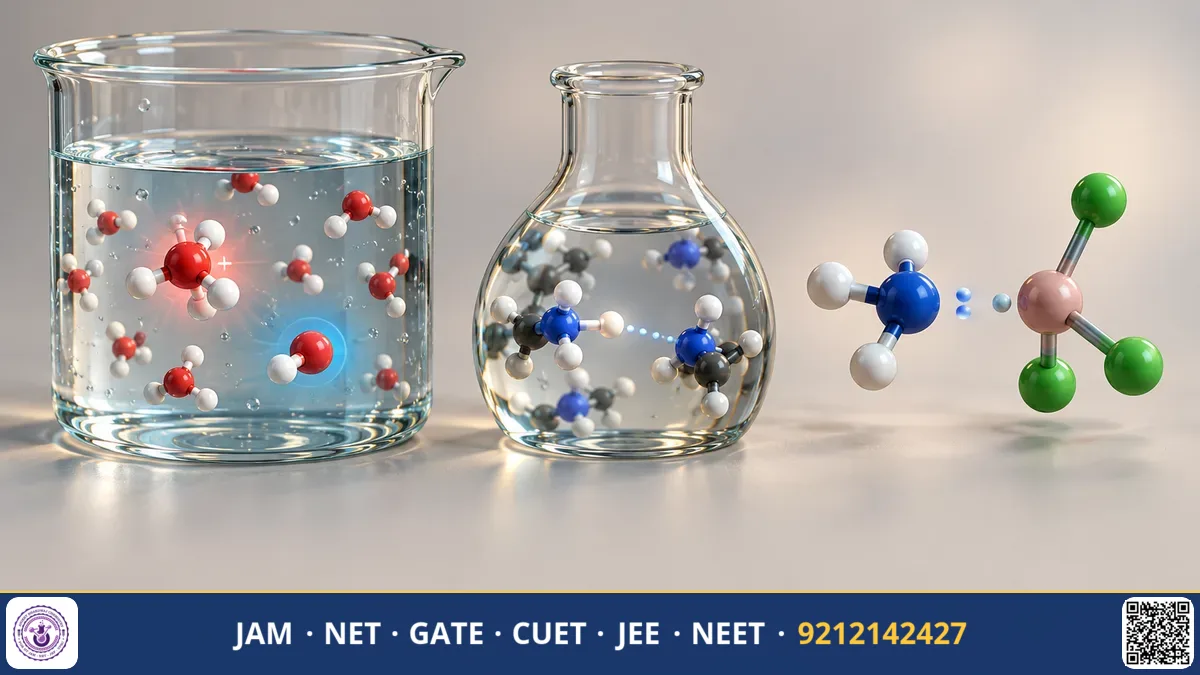
Comparison diagram of three acid-base theories with proton transfer and electron pair coordinate bonds
Inorganic Chemistry

Acid–Base Theories Compared, and When Each One Runs Out

2026-09-15
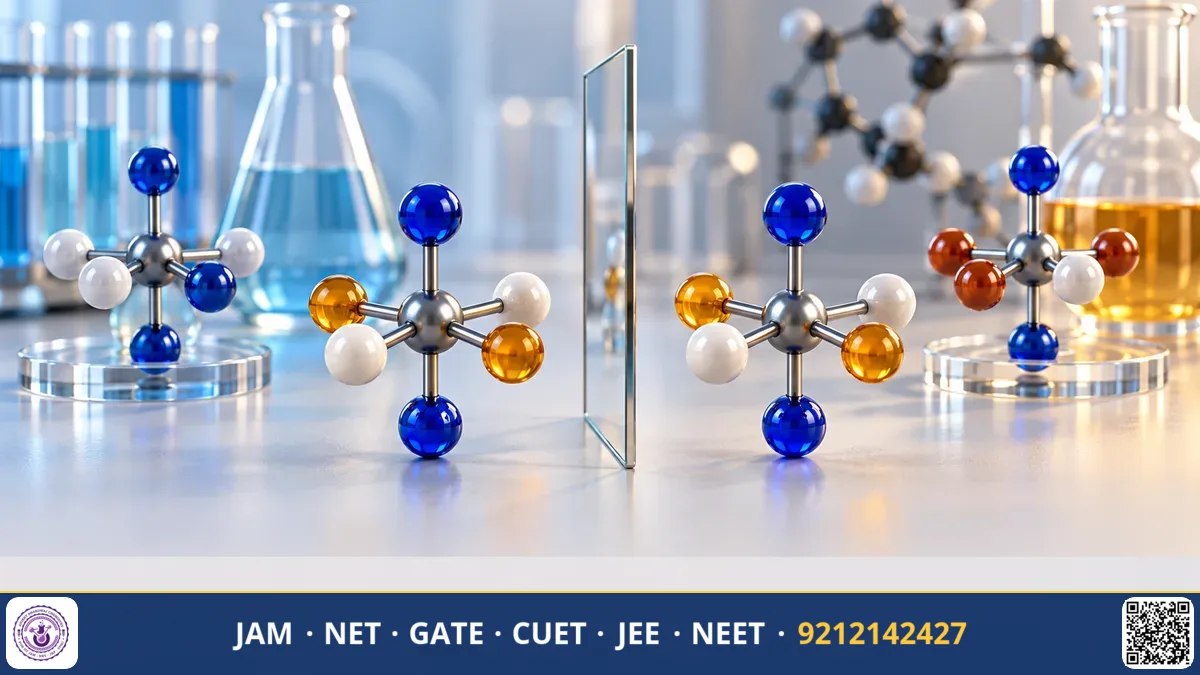
Octahedral metal complex models showing cis and trans isomers beside test tubes with color changes
Inorganic Chemistry

Isomerism in Coordination Compounds: Every Type With Its Test

2026-09-15
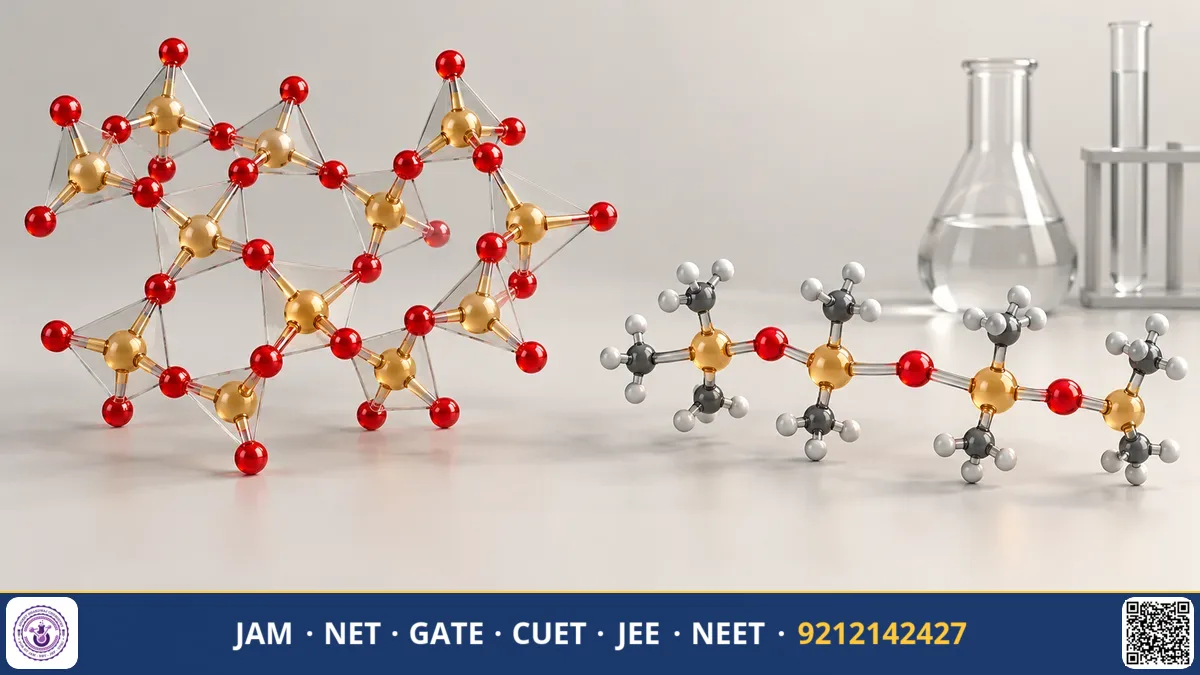
Three-dimensional models of corner-sharing silicon-oxygen tetrahedra forming chain and sheet networks
Inorganic Chemistry

Silicates and Silicones: Structure From One Building Block

2026-09-15
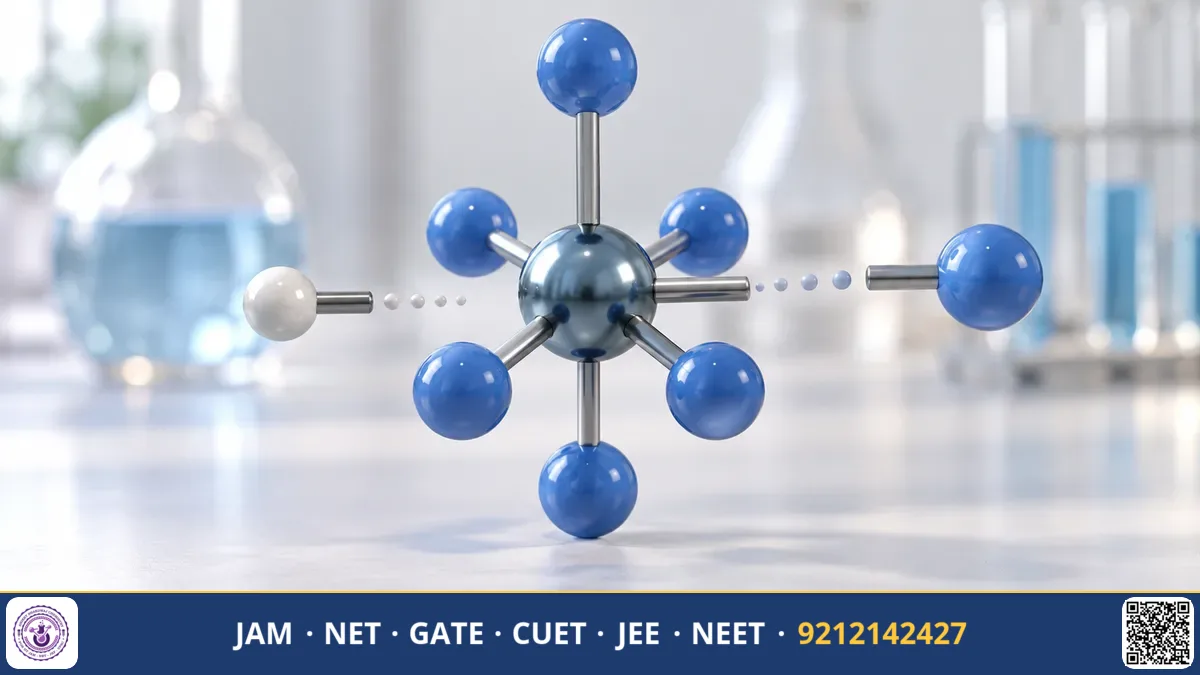
Diagram of an octahedral transition metal complex undergoing dissociative ligand substitution
Inorganic Chemistry

Substitution in Octahedral Complexes: Dissociative or Associative

2026-09-15
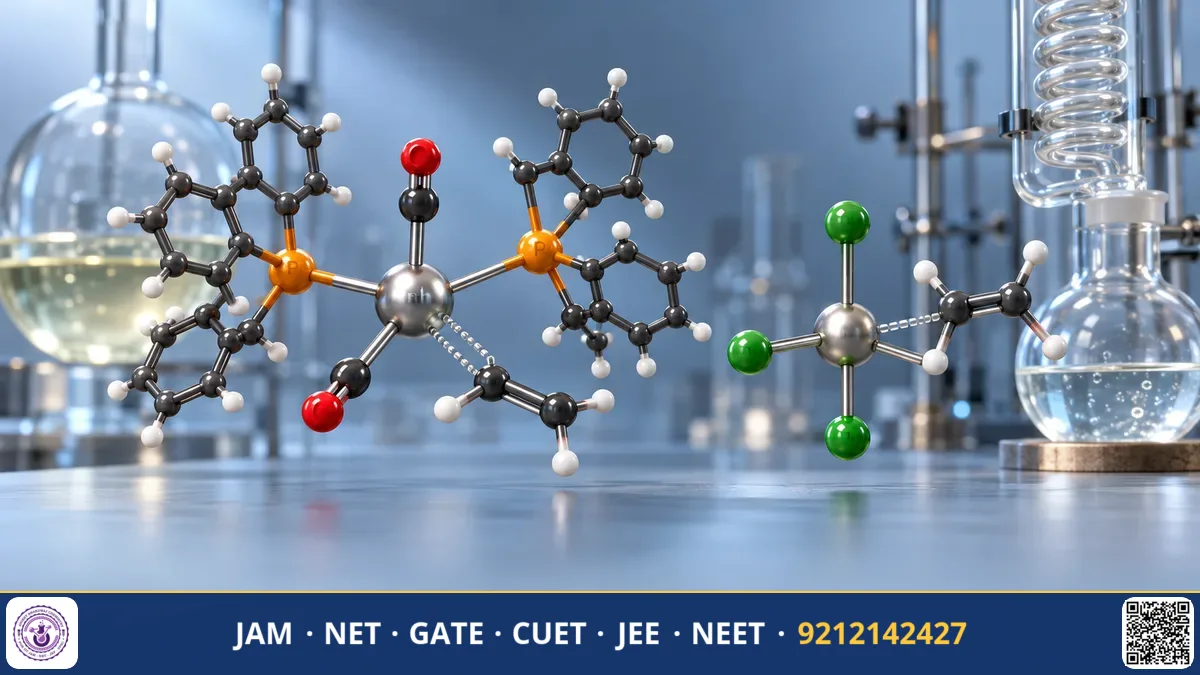
Circular catalytic cycle diagram with palladium complexes, alkene ligands, and reaction arrows
Inorganic Chemistry

Catalytic Cycles: Hydroformylation and the Wacker Process

2026-09-14
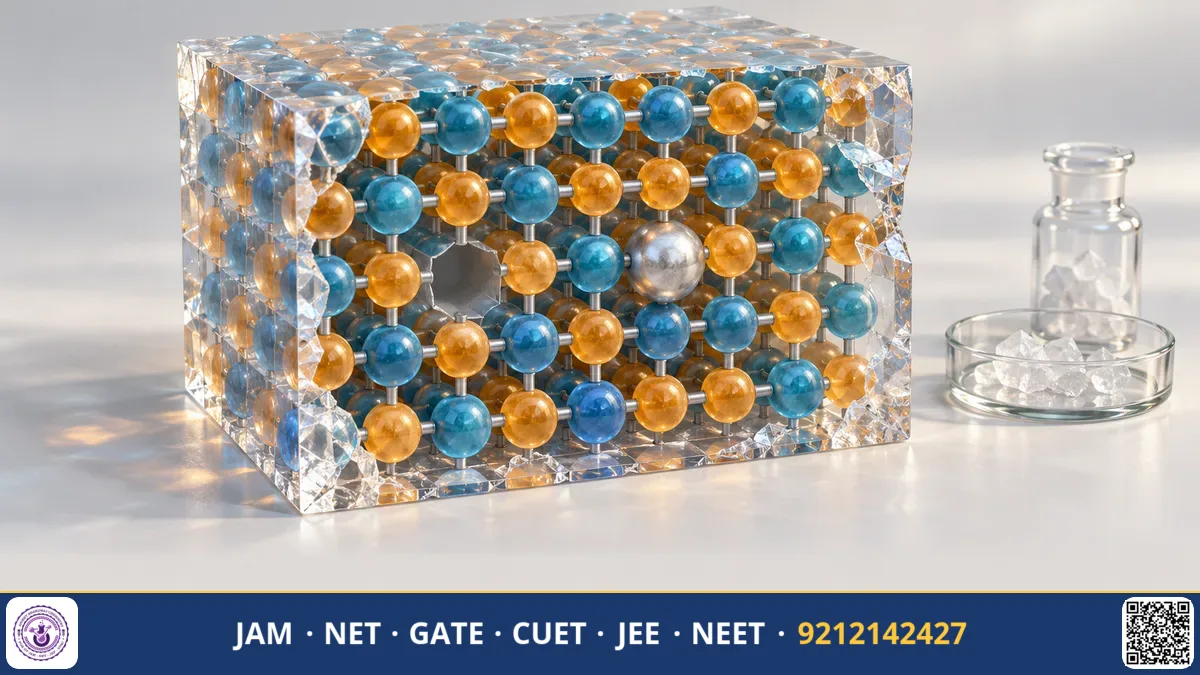
Crystal lattice model illustrating missing cations as Schottky defects and displaced atoms in interstitial sites
Inorganic Chemistry

Crystal Defects and Non-Stoichiometry

2026-09-13
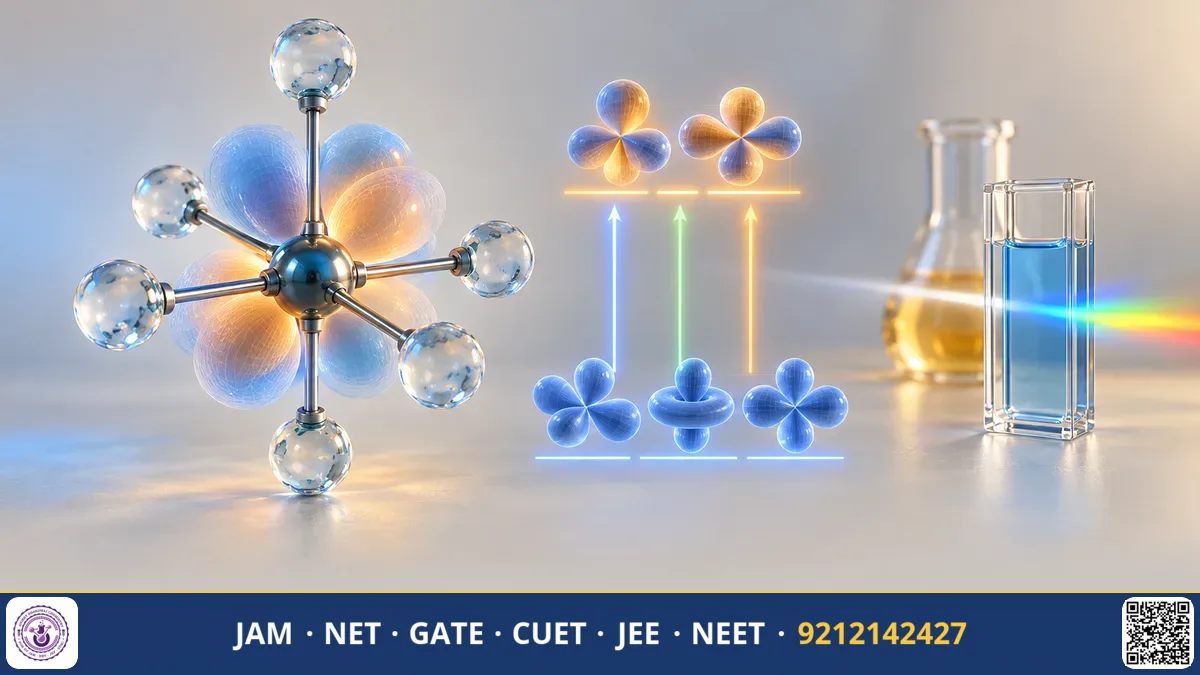
Tanabe-Sugano energy level diagram showing split electronic state curves against ligand field strength
Inorganic Chemistry

Orgel and Tanabe–Sugano Diagrams: Interpreting d–d Spectra

2026-09-13
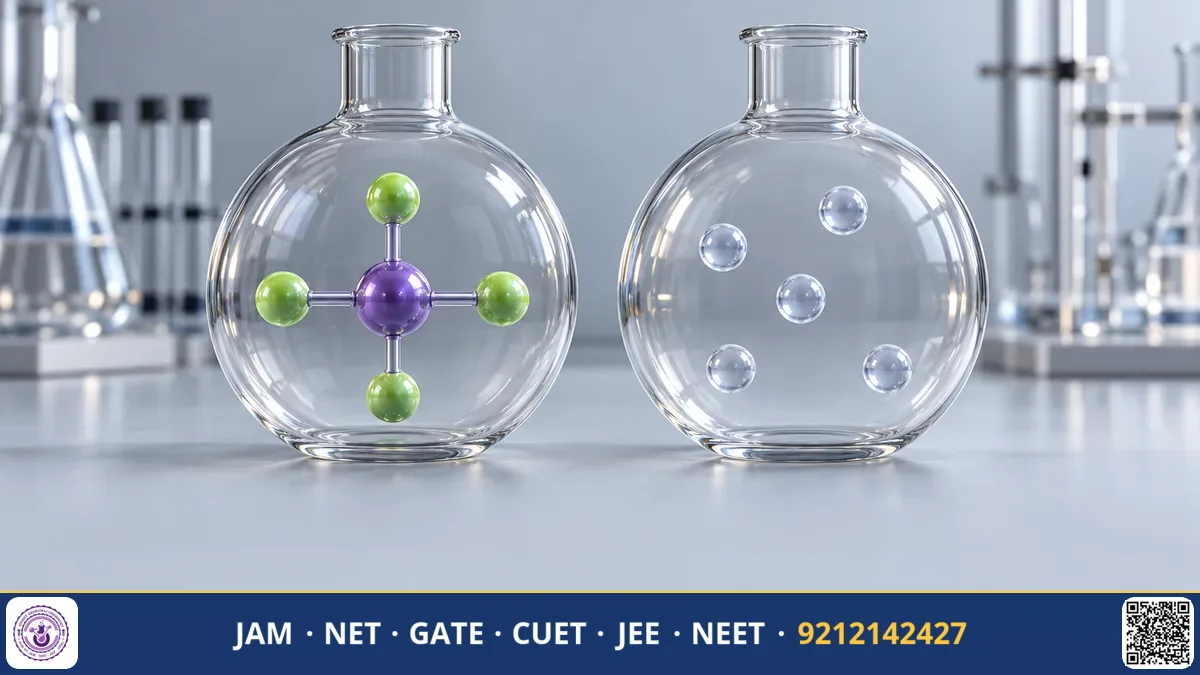
Ball-and-stick models of xenon tetrafluoride and xenon hexafluoride next to helium gas atoms
Inorganic Chemistry

Noble Gas Compounds: Why Xenon Reacts and Helium Does Not

2026-09-12
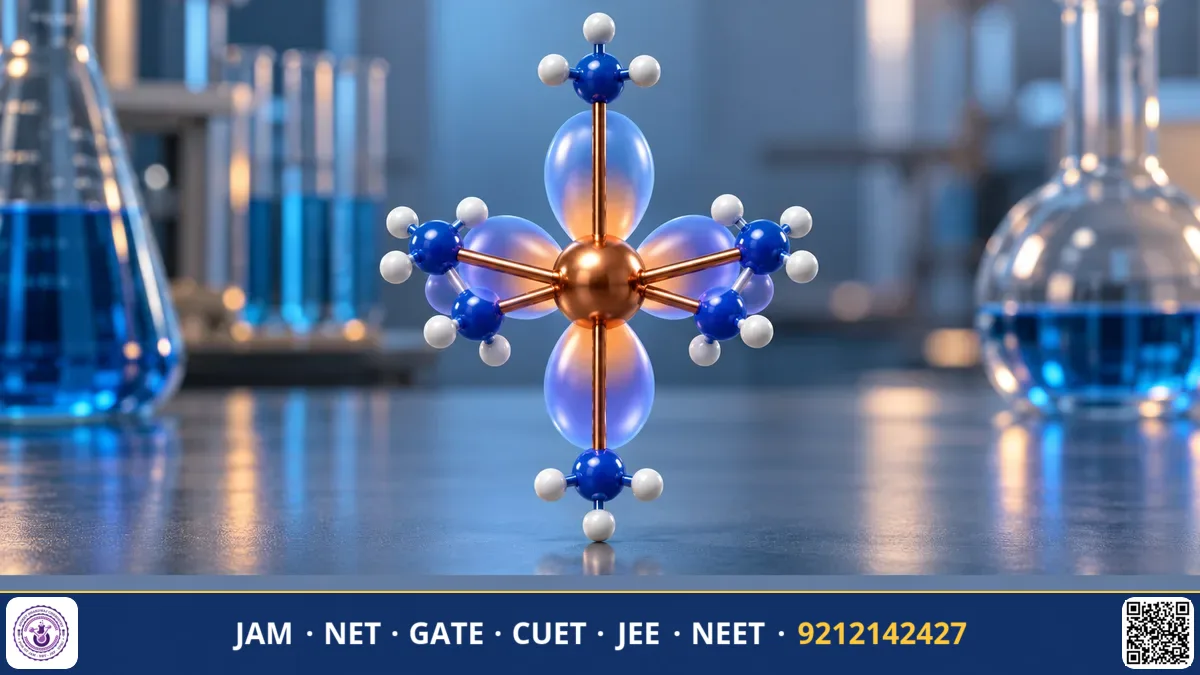
Octahedral coordination complex with elongated axial metal-ligand bonds
Inorganic Chemistry

The Jahn–Teller Effect: Why Some Complexes Distort

2026-09-11
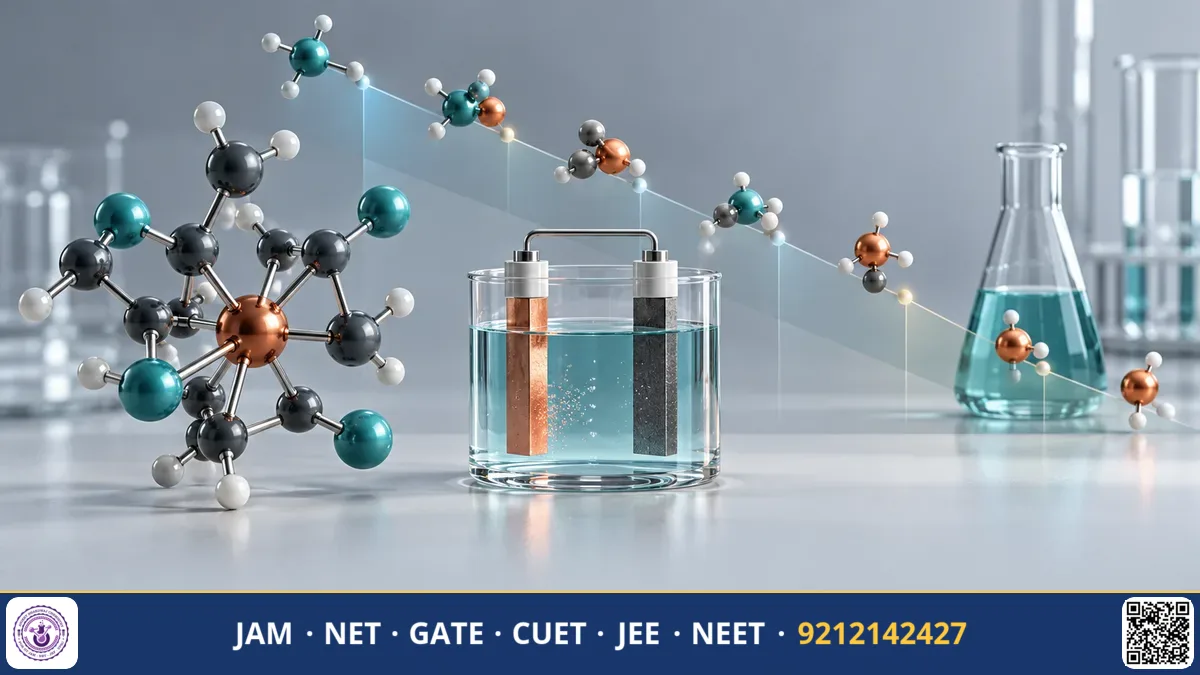
Frost diagram curve of oxidation states against relative free energy alongside a linear redox chain
Inorganic Chemistry

Latimer and Frost Diagrams: Reading Redox Chemistry From a Picture

2026-09-10
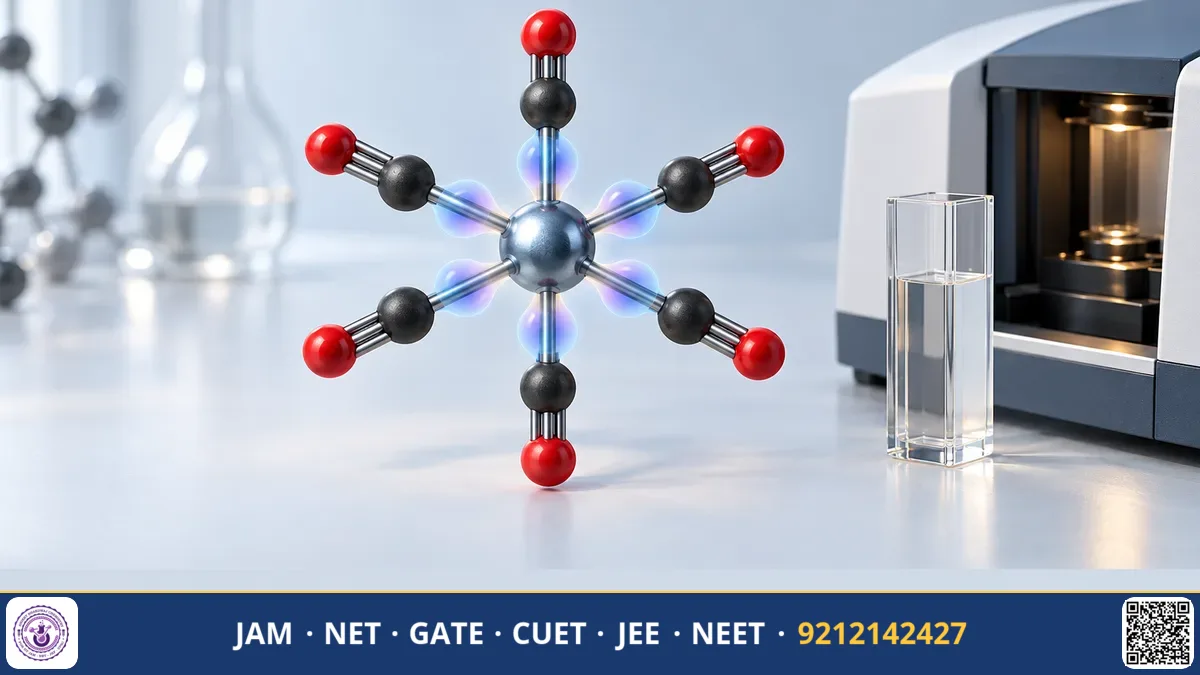
Metal carbonyl coordination complex showing sigma and pi back-bonding arrows beside infrared peaks
Inorganic Chemistry

Metal Carbonyls: Synergic Bonding and What the Spectrum Reveals

2026-09-09
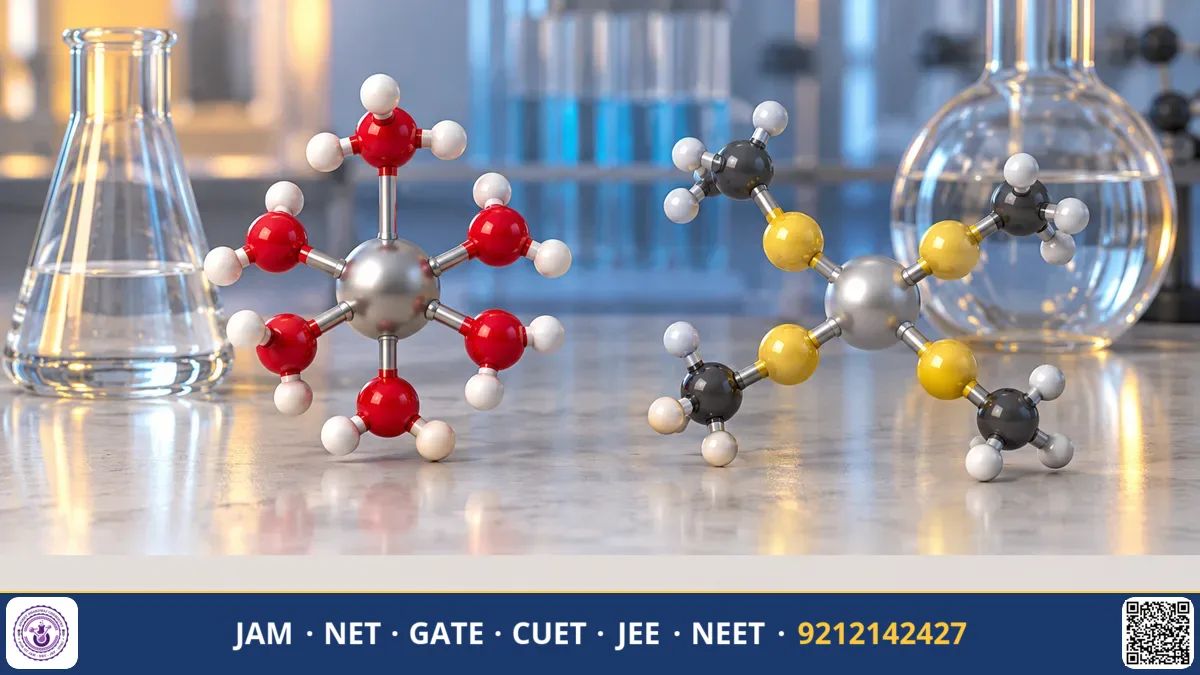
Diagram classifying metal cations and ligands into hard and soft spheres showing preferential binding pairs.
Inorganic Chemistry

The HSAB Principle: Predicting Which Combinations Are Stable

2026-09-08
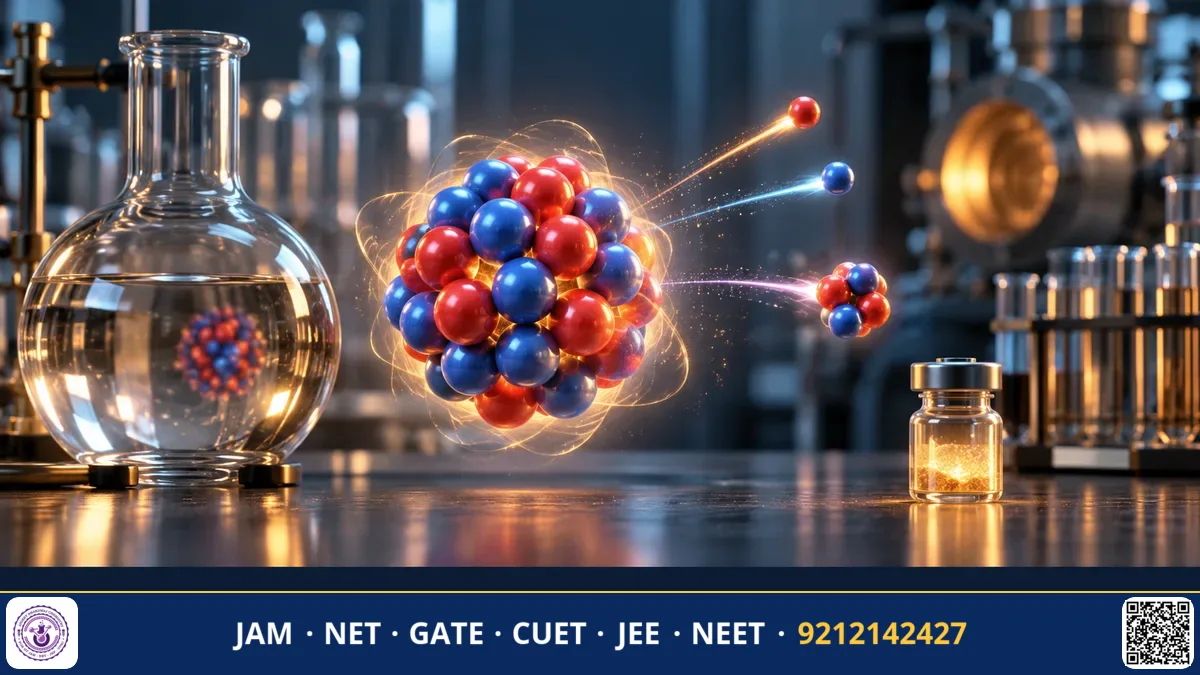
Atomic nucleus emitting alpha particles and gamma rays beside an isotope radioactive decay curve graph.
Inorganic Chemistry

Nuclear Chemistry: Decay Kinetics, Stability and Applications

2026-09-08
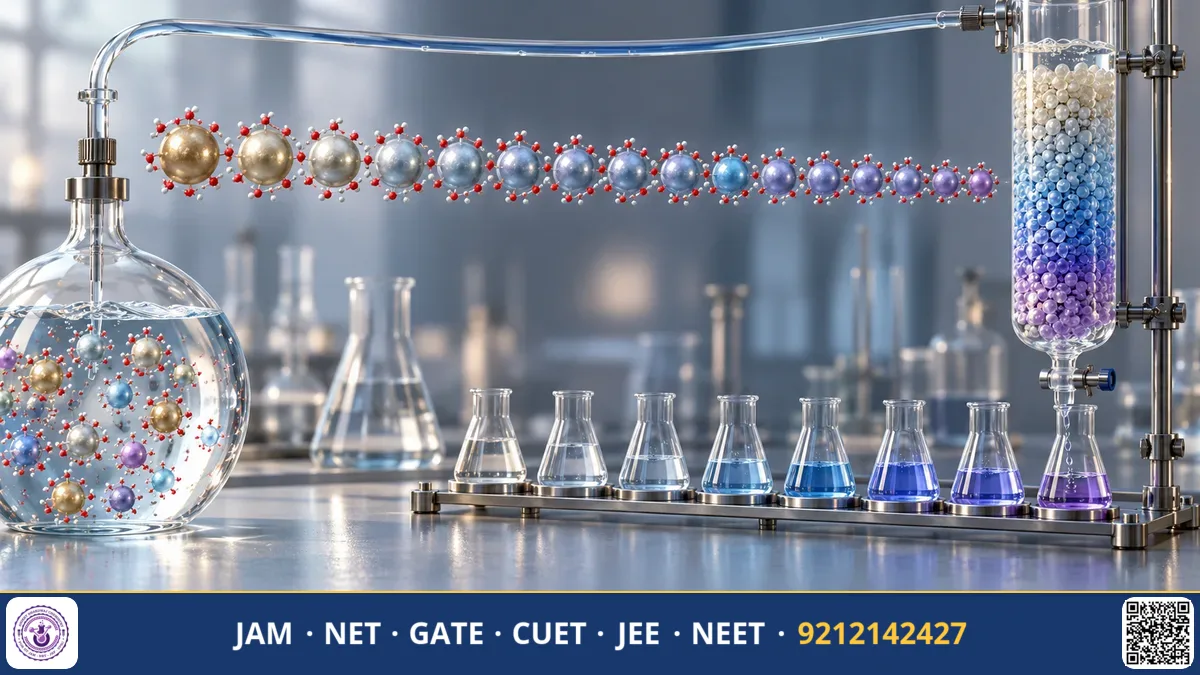
Rows of lanthanide series ion test tubes showing gradual atomic radius contraction and color changes
Inorganic Chemistry

Lanthanides: The Contraction and Why Separation Is So Hard

2026-09-07
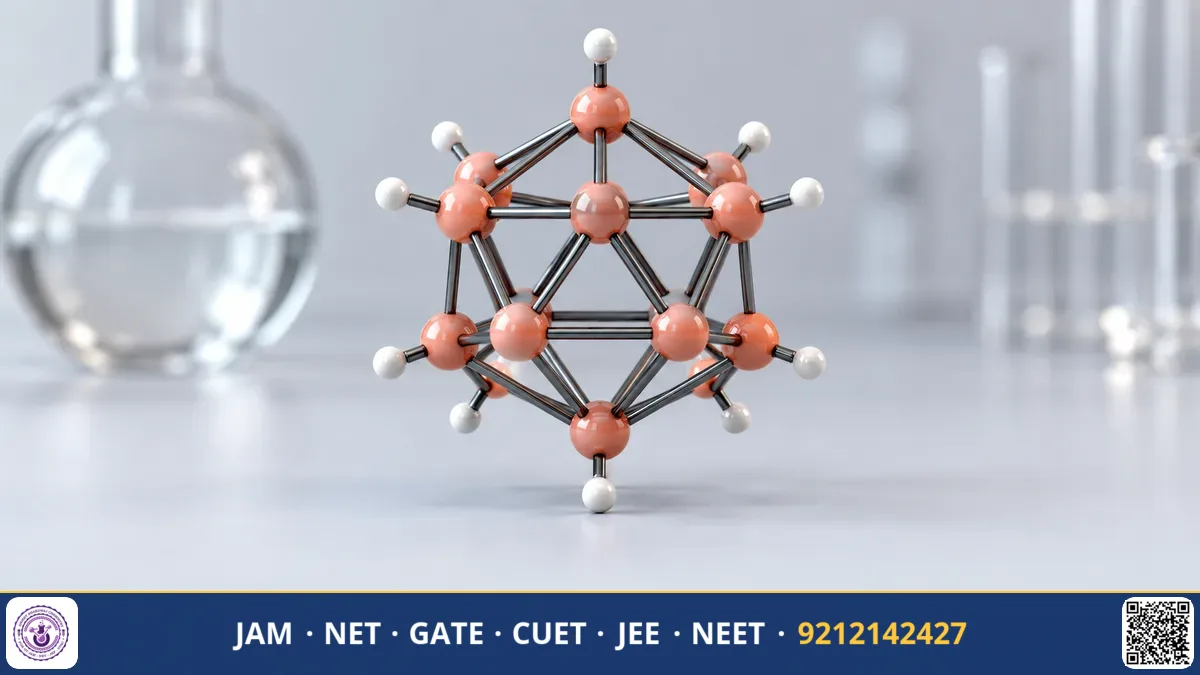
Polyhedral borane cluster cage structure illustrating three-center two-electron bridge bonds
Inorganic Chemistry

Boranes and Wade's Rules: Predicting Cluster Shapes

2026-09-06
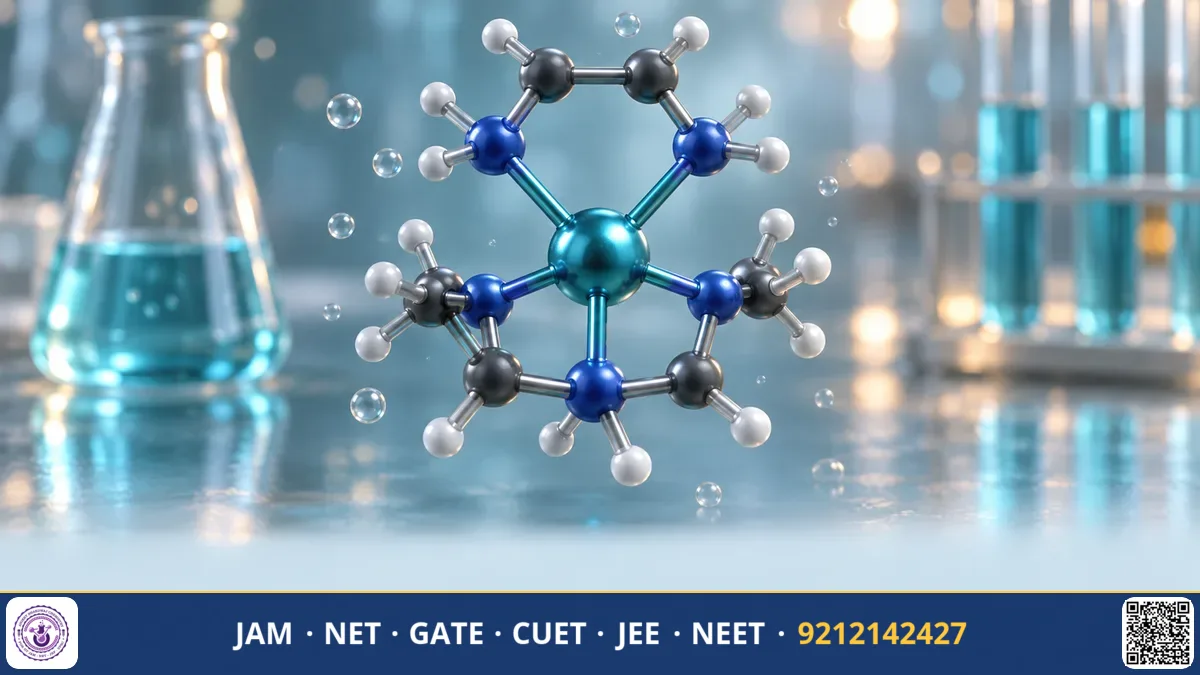
Metal cation coordinated by polydentate chelating ligands forming stable ring complexes beside energy diagram
Inorganic Chemistry

Stability Constants and the Chelate Effect

2026-09-05
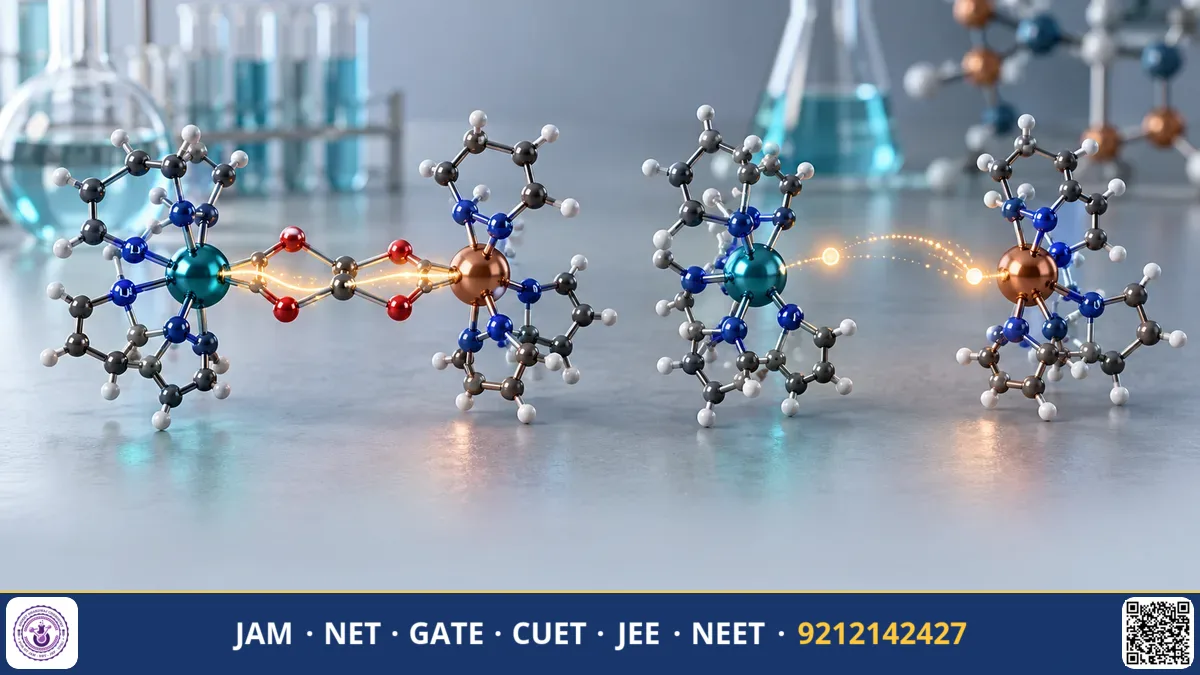
Bridged binuclear complex showing ligand-mediated inner-sphere and outer-sphere electron transfer pathways
Inorganic Chemistry

Electron Transfer: Inner Sphere versus Outer Sphere

2026-09-05
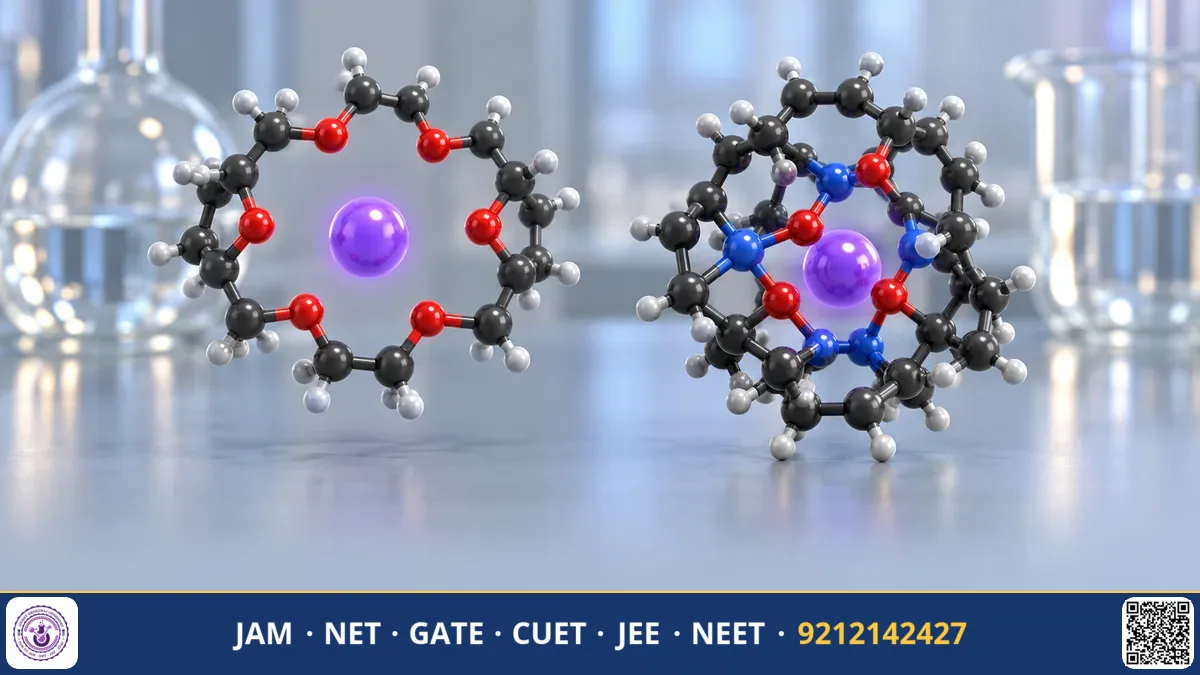
Ring-shaped crown ether molecule trapping a glowing metal ion in its central cavity
Inorganic Chemistry

Supramolecular Chemistry: Crown Ethers, Cryptands and Host–Guest Binding

2026-09-04
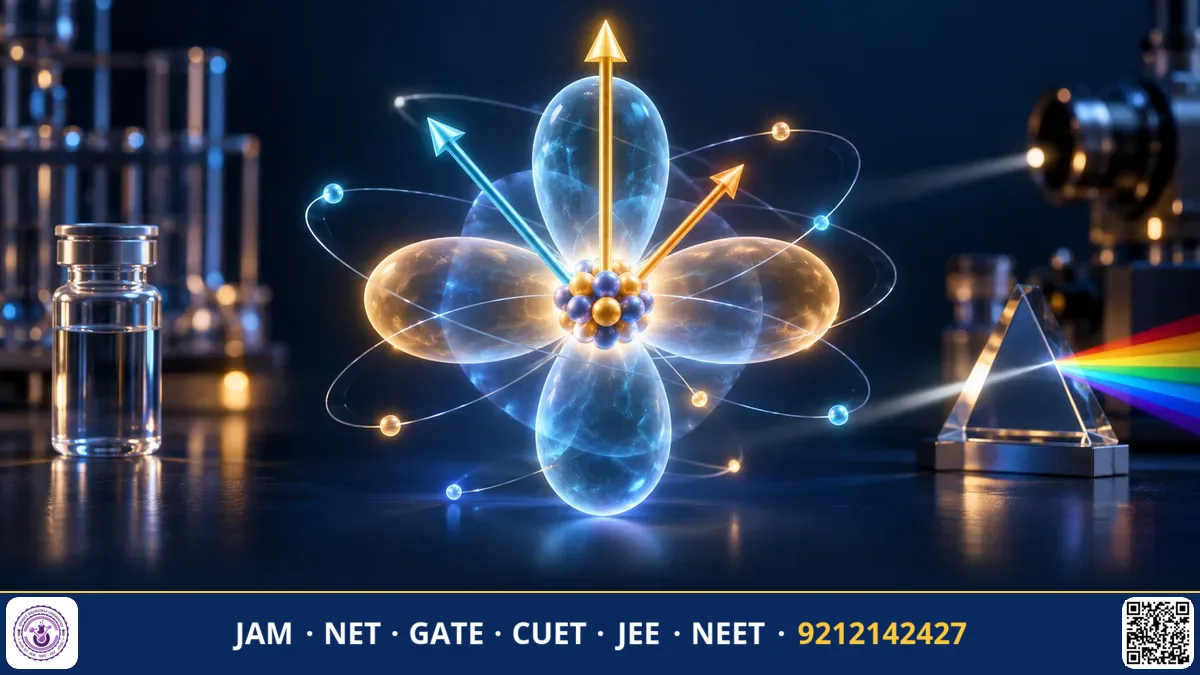
Vector diagram of orbital and spin angular momentum vectors beside an atomic energy level chart
Inorganic Chemistry

Term Symbols and Russell–Saunders Coupling, Step by Step

2026-09-04
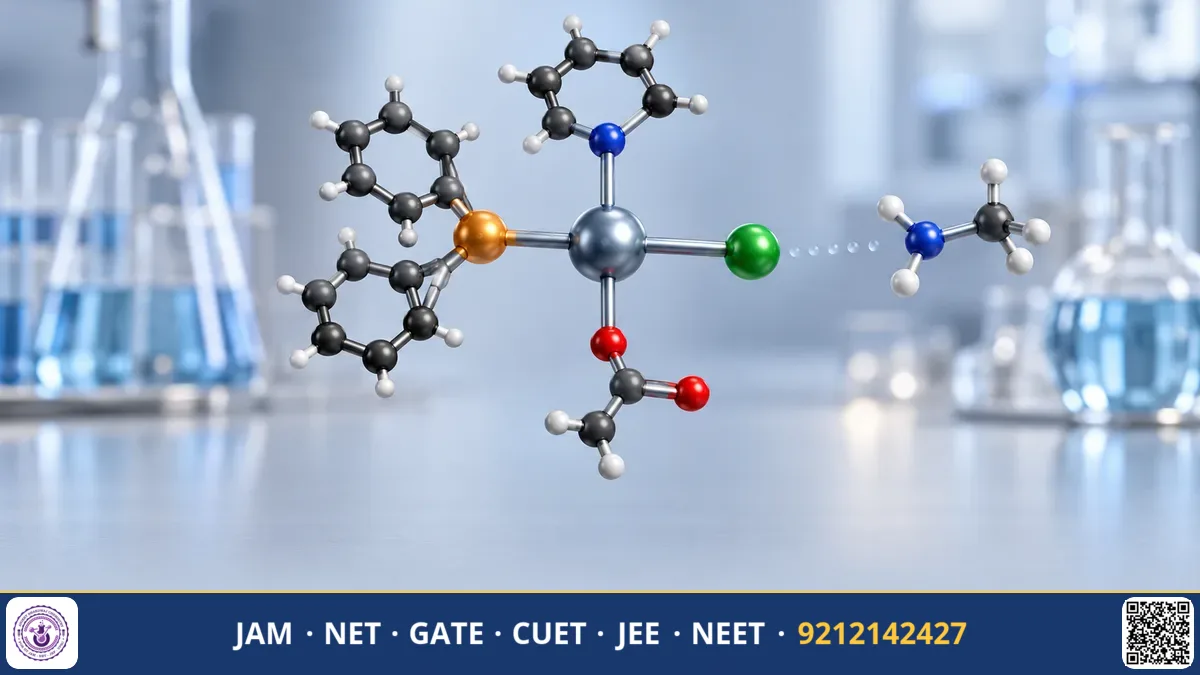
Square planar platinum complex model showing substitution ligands and trans-directing groups
Inorganic Chemistry

The Trans Effect: Predicting the Product of Square Planar Substitution

2026-09-04
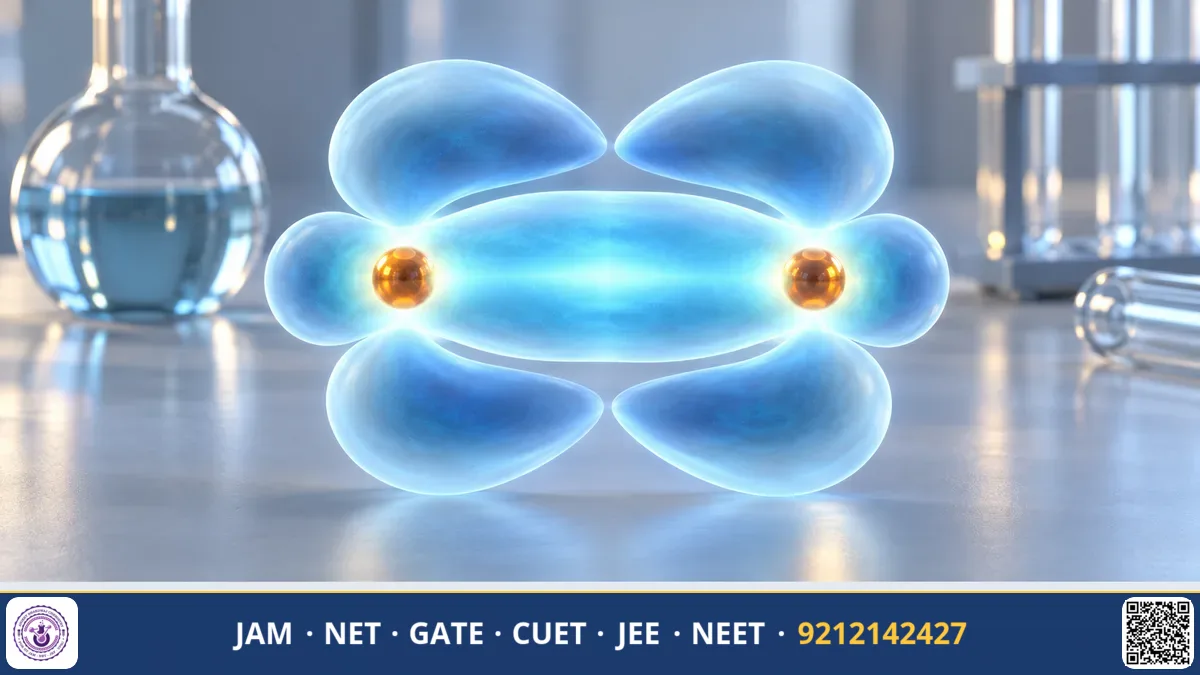
Molecular orbital energy level diagram showing bonding and antibonding orbitals for diatomic nitrogen
Inorganic Chemistry

Molecular Orbital Theory for Diatomics: Bond Order and Magnetism

2026-09-03
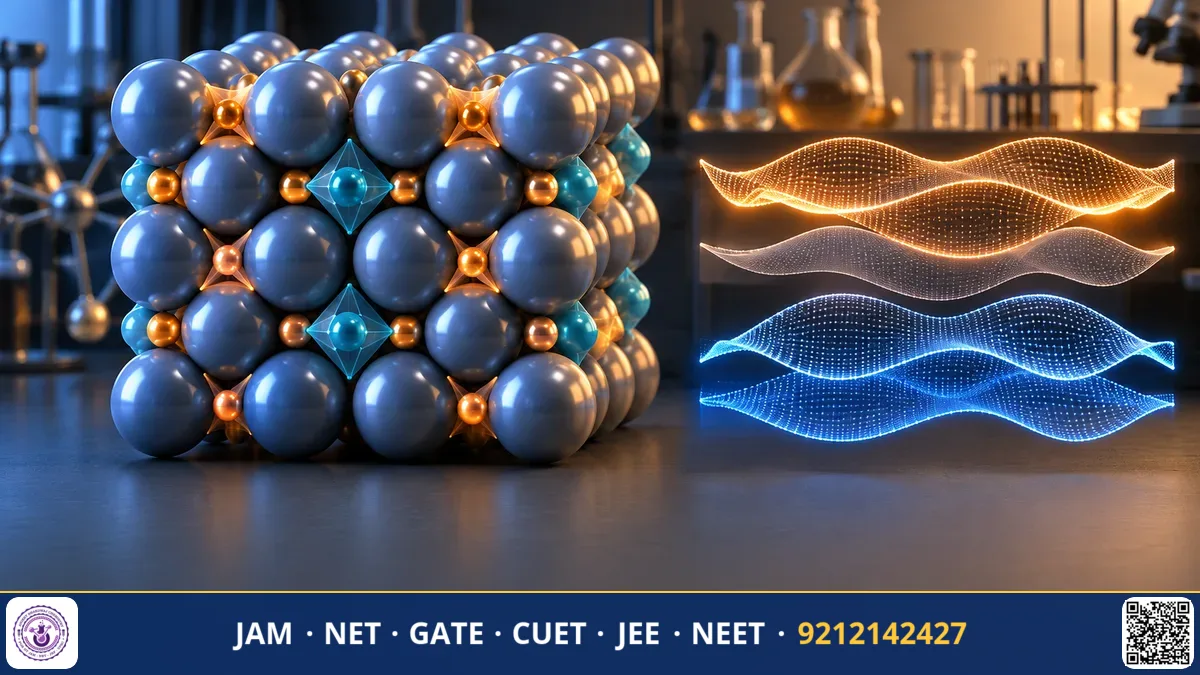
A crystal lattice diagram showing close-packed spheres, tetrahedral voids, and electronic band energy levels.
Inorganic Chemistry

Solid State for Entrance Exams: Close Packing, Voids and Band Theory

2026-09-01
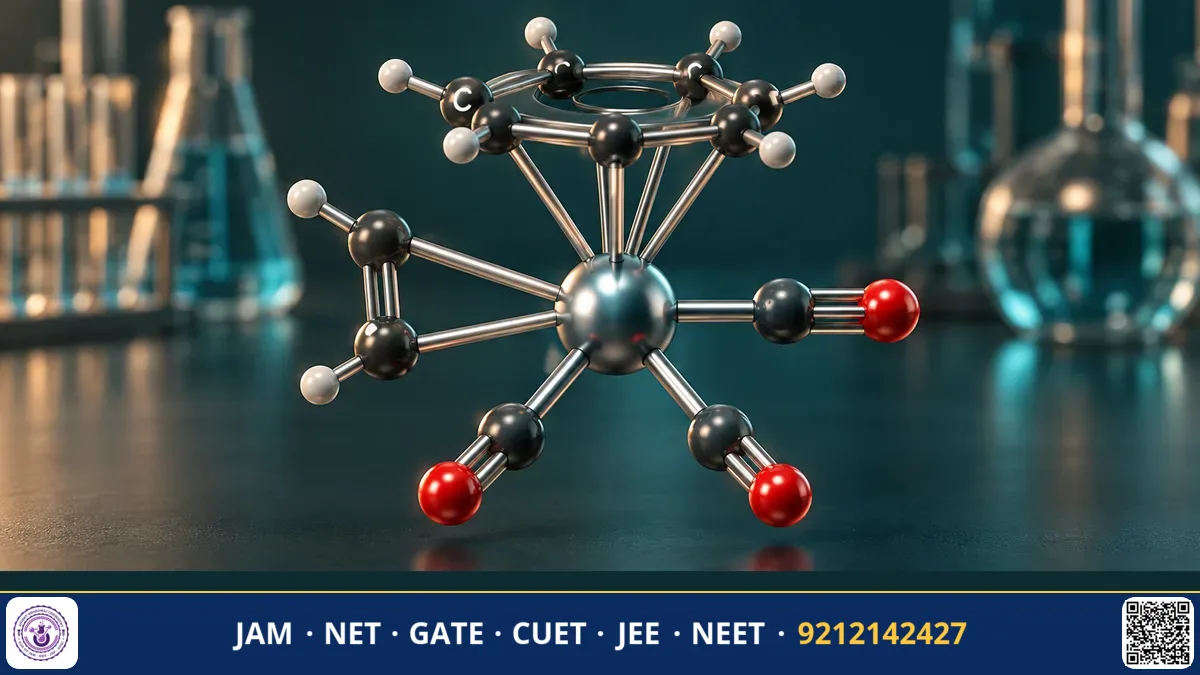
Organometallic ferrocene molecule with cyclopentadienyl rings sandwiching an iron atom and electron count
Inorganic Chemistry

The 18-Electron Rule and Hapticity: Counting Without Errors

2026-08-30
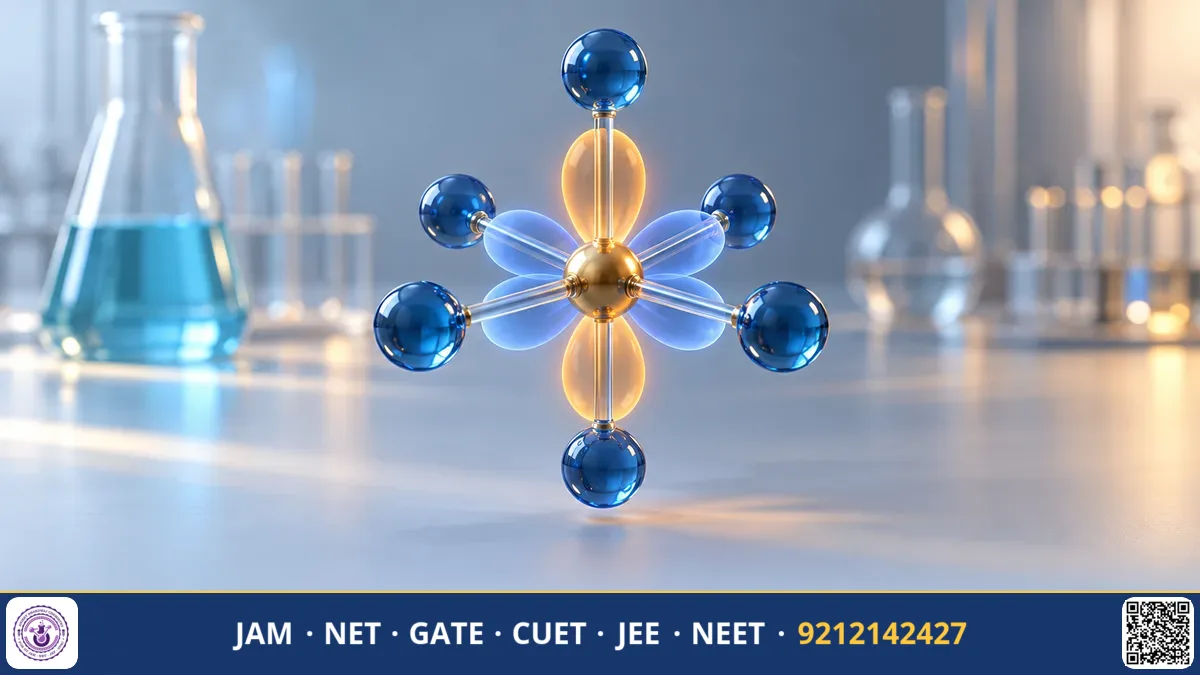
Octahedral d-orbital crystal field splitting diagram showing eg and t2g energy levels and electron spin
Inorganic Chemistry

Crystal Field Theory: Splitting, CFSE and the Spectrochemical Series

2026-08-30
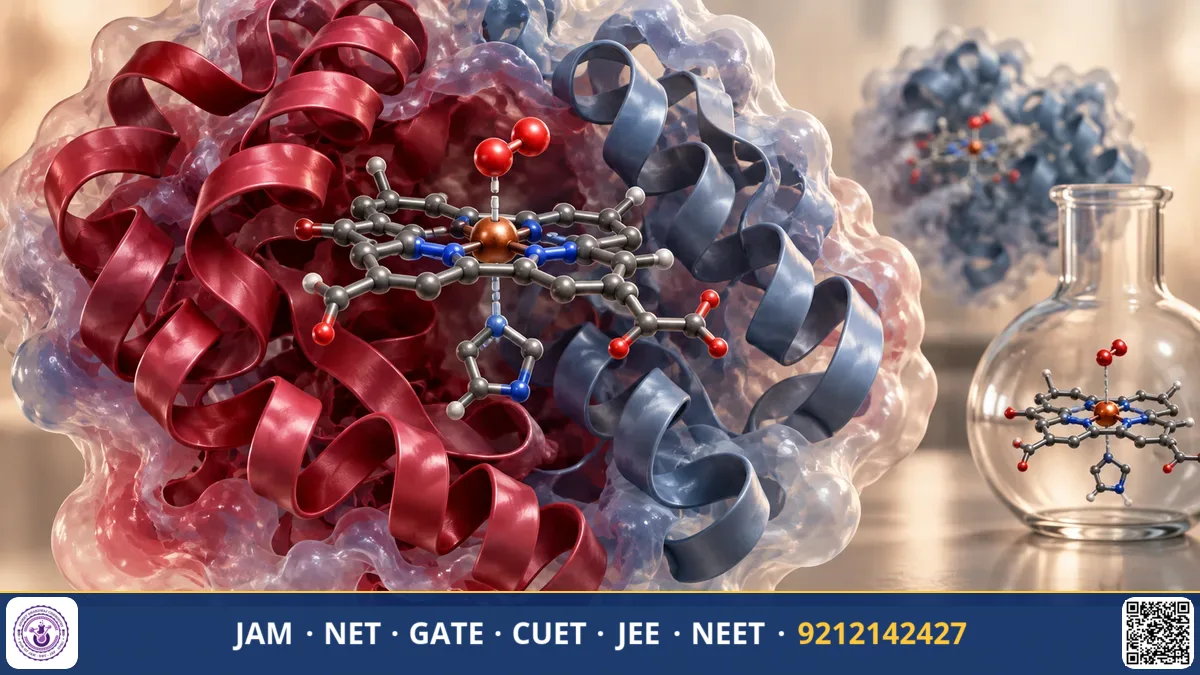
Iron porphyrin ring structure showing bound oxygen molecule and sigmoidal binding curve comparison
Inorganic Chemistry

Haemoglobin and Myoglobin: Coordination Chemistry Doing a Job

2026-08-29
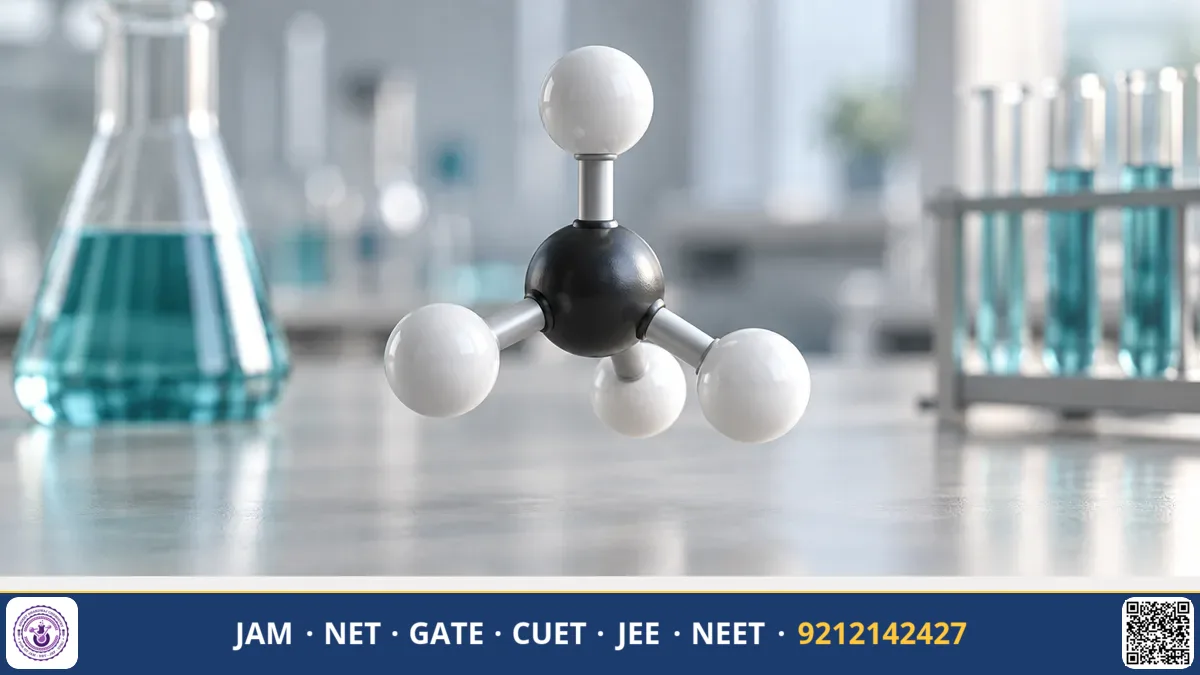
Water and ammonia molecules showing rotational symmetry axes, mirror planes, and inversion center
Inorganic Chemistry

Molecular Symmetry and Point Groups: The Topic That Pays for Itself

2026-08-29
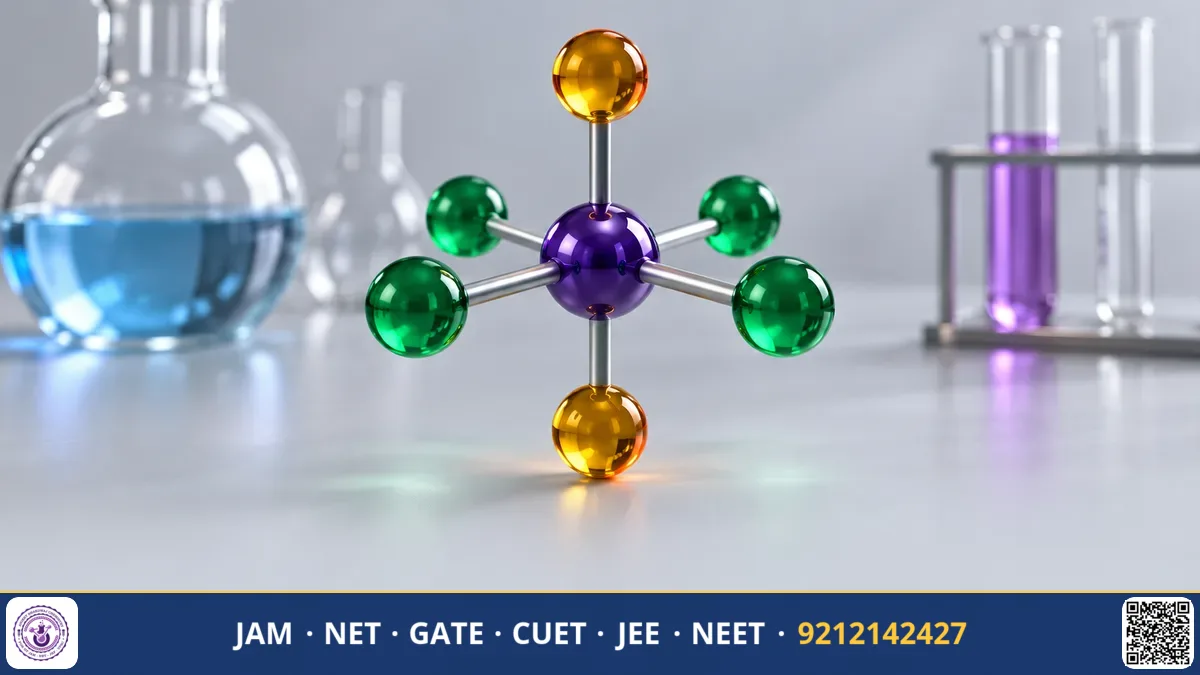
An octahedral coordination complex diagram with splitting d-orbitals and colourful crystal models
Inorganic Chemistry

Coordination Compounds (Class 12): CFT, Colour, Magnetism and Isomerism Made Clear

2026-08-26
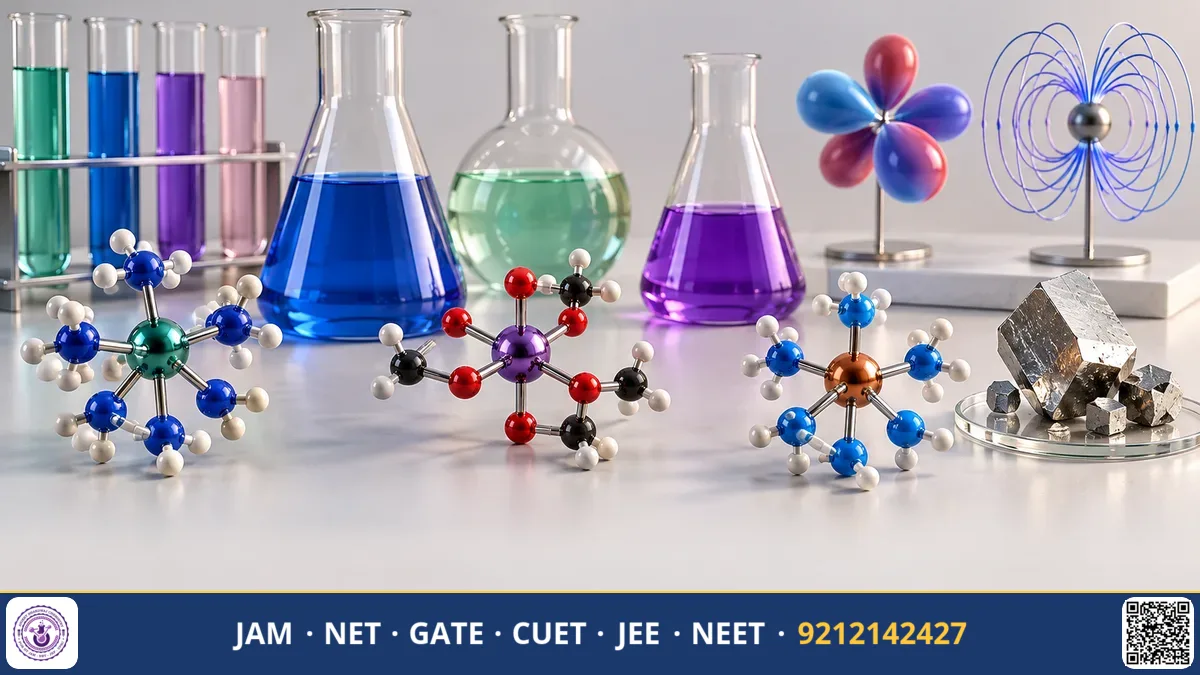
Transition metal salt solutions in vibrant colours beside an illustrated d-block electron shell diagram
Inorganic Chemistry

d-Block and f-Block Elements (Class 12): Trends, Colour and Magnetic Behaviour

2026-08-25
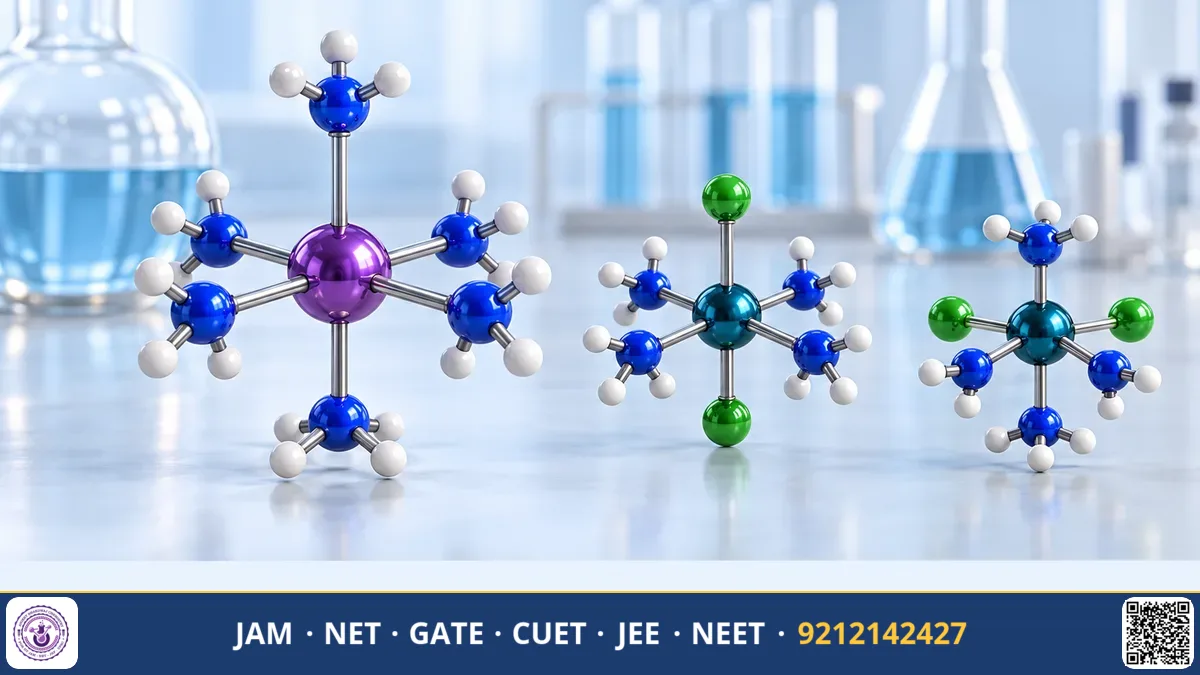
Octahedral coordination complex model displaying central metal atom surrounded by chemical ligands
Inorganic Chemistry

Coordination Compounds (Class 12): Naming & Isomerism Made Simple

2026-08-23
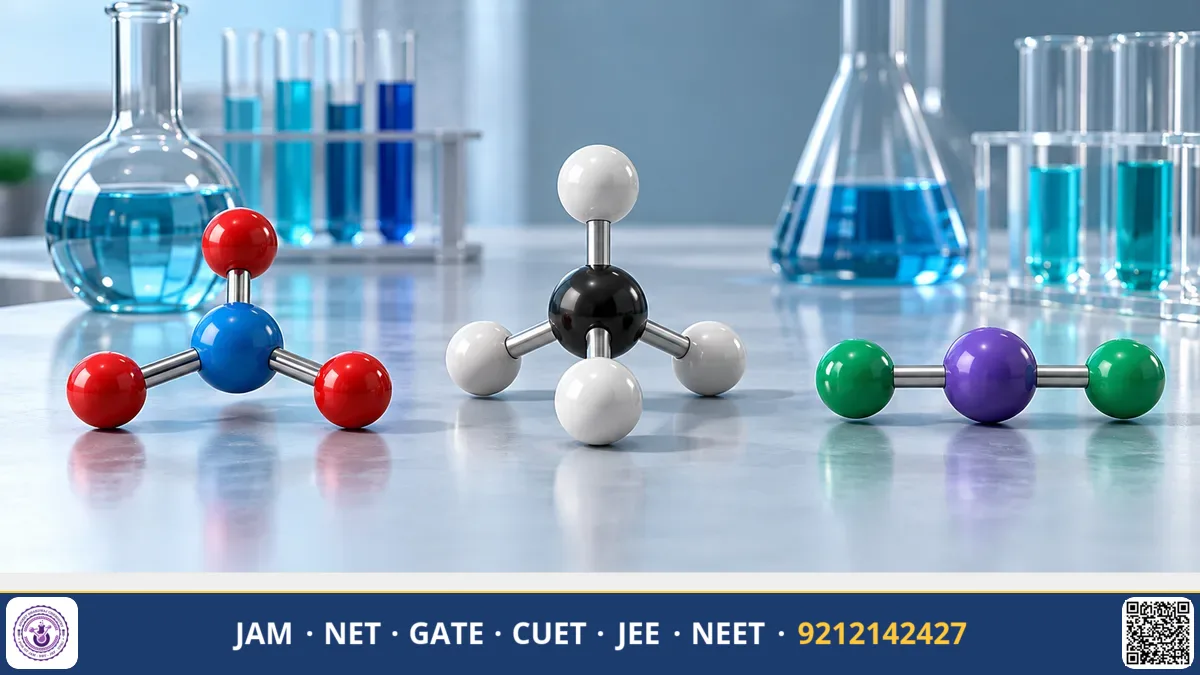
Ball-and-stick models illustrating tetrahedral, trigonal bipyramidal, and linear molecular shapes
Inorganic Chemistry

Chemical Bonding (Class 11): VSEPR, Hybridisation & Molecular Shapes Explained

2026-08-23

Related

Book a free demo class

Tell us the class or exam and the mode you want. We call back the same day with the batch, timing and fee.