Q12 · CSIR-NET Chemistry, June 2017
Paper: CSIR-NET June 2017 · Subject: Organic Chemistry · Chapter: Reagents, Reaction Mechanisms & Named Reactions · Topic: Named Reactions · Marks: 2 · Difficulty: Medium
Under review — part of this question (a structure or an option) is not clear in the source scan. 4AB is checking it against the original book; the answer shown may change.
The intermediate A and the major product B formed in the following reaction is 


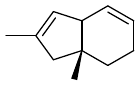
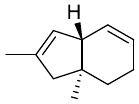
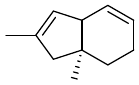
(a)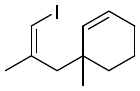
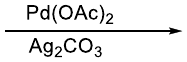
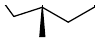
(b)
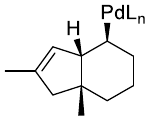
(c)
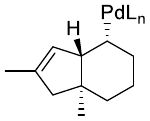
(d)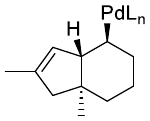 $\mathrm{L}=$ ligand.
$\mathrm{L}=$ ligand.Answer
Under review — not yet confirmed.
Answer: B
The source book printed A; on checking, B is correct — see the explanation.
Explanation
Oxidative addition of the vinyl iodide, syn 5-exo insertion into the cyclohexene (vinyl and Pd on the same face) gives the cis-fused alkyl-Pd A with H and PdL_n cis and the angular Me cis to the ring-junction H; syn β-hydride elimination away from the junction gives the diene B — set (b).
Study loop for Reagents, Reaction Mechanisms & Named Reactions