Q18 · CSIR-NET Chemistry, June 2018
Paper: CSIR-NET June 2018 · Subject: Organic Chemistry · Chapter: Reagents, Reaction Mechanisms & Named Reactions · Topic: Reagents, Reaction Mechanisms & Named Reactions – General · Marks: 2 · Difficulty: Medium
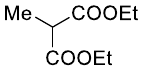
Structure of the intermediate A and the final product B in the following reaction sequence are 


(a)
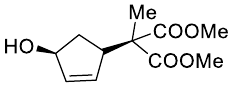 B =
B = 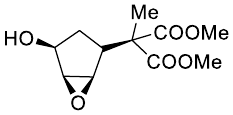
B = (b)
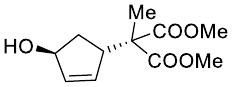 B =
B = 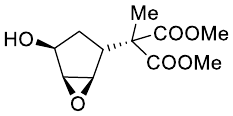
B = (c)
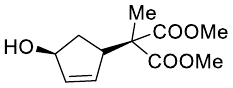 B =
B = 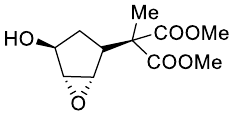
B = (d)A = 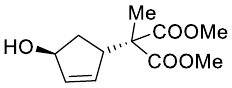 B =
B = 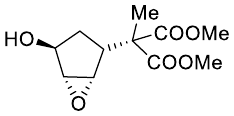
B = Answer
Answer: A ✓ checked by 4AB · confidence medium
Explanation
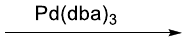
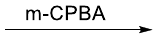
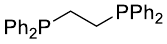
Pd(0) opens the vinyl epoxide to a π-allyl with the alkoxide anti to Pd; the malonate attacks anti to Pd, so nucleophile and OH end up cis (A). m-CPBA is then directed by the free hydroxyl to the syn face, giving the epoxide cis to OH (B) — (a).
Study loop for Reagents, Reaction Mechanisms & Named Reactions