Basic Puja Samagri List for Daily Worship at Home and Their Uses
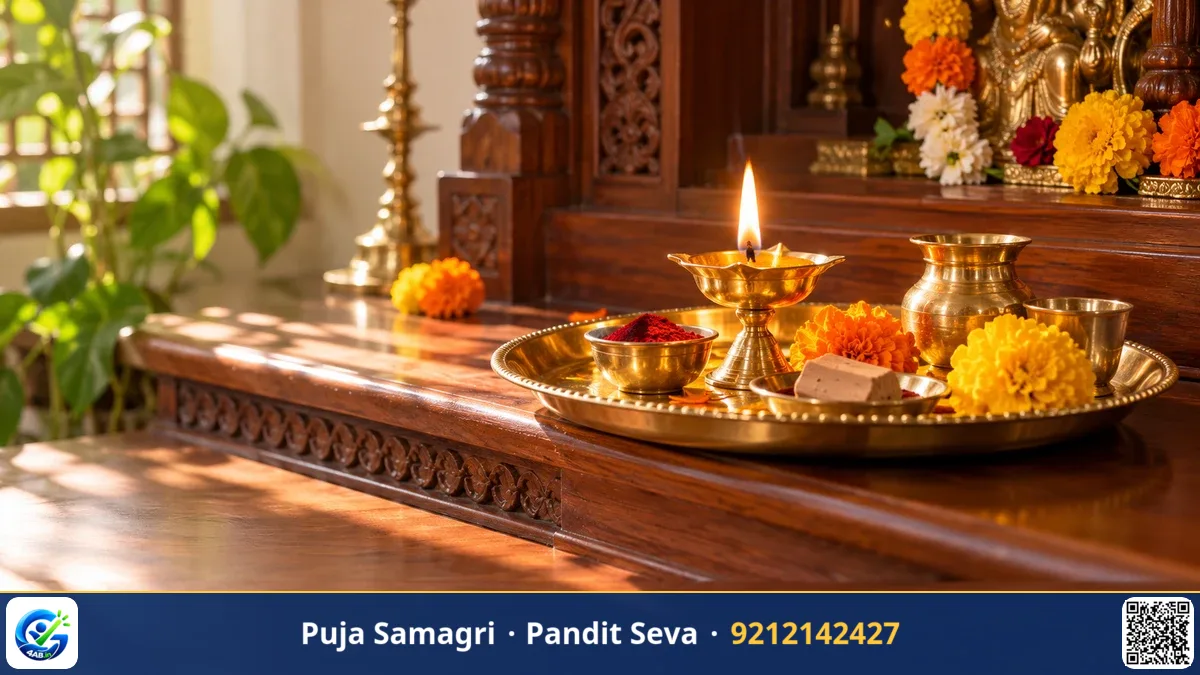
Daily worship at home, commonly referred to as nitya puja, is a meaningful practice in many Hindu households. Setting aside a few moments each morning or evening creates a dedicated space for reflection, gratitude, and mindfulness. While elaborate festivals or special ceremonies require extensive preparation, daily worship usually relies on a modest, practical collection of sacred items known as puja samagri. Because customs vary across different regions, communities, and family traditions, there is no single mandatory checklist. Practitioners typically follow the guidance passed down by their family elders or local priest. The following guide outlines a basic list of samagri commonly used in home mandirs, explaining the traditional purpose and cultural context of each item.
The Core Essentials: Light, Scent, and Sound
In traditional Hindu worship, engaging the senses through light, fragrance, and sound forms an integral part of welcoming the divine presence into the home. These elements help direct attention away from daily concerns toward quiet contemplation.
- Diya (Oil or Ghee Lamp): A small lamp made of brass, clay, or silver holds oil or clarified butter (ghee) and a cotton wick. Lighting the lamp traditionally represents the dispelling of darkness and ignorance. In most homes, the diya remains lit throughout morning prayers.
- Batti (Cotton Wicks): Clean cotton rolled into long threads or round standing wicks (phool batti) absorbs oil or ghee to maintain a steady flame.
- Agarbatti (Incense Sticks) and Dhoop: Fragrant incense sticks or herbal dhoop cones provide an uplifting aroma. Burning incense is traditionally said to freshen the atmosphere and marks the beginning of quiet contemplation.
- Ghanti (Ritual Bell): A handheld bell rung gently during prayer and aarti. The clear chime of the bell traditionally invites positive focus and dispels wandering thoughts.
Water Offerings and Cleansing Vessels
Water represents purity, life, and hospitality. Offering fresh water to a deity reflects the ancient custom of honoring an esteemed guest with cleansing and refreshing hospitality.
- Kalash or Lota (Water Vessel): A small brass, copper, or silver pot used to hold clean drinking water. Fresh water is drawn into the vessel before beginning morning prayers.
- Panchapatra and Achamani (Cup and Spoon): A specific set containing a small metal cup and a slender ceremonial spoon. It is used to perform achamana (symbolic purification through sipping water) and to offer water for symbolic washing of the deity.
- Arghya Patra: A small shallow bowl or collection dish where offered water gathers during the symbolic washing or bathing of small murtis.
- Clean Cloth (Mandir Towel): A soft, dedicated cloth used strictly for gently drying metal or stone murtis after washing.
Sacred Powders and Tilak Essentials
The application of fragrant powders and pastes, known as tilak, honors the deity and serves as an auspicious mark for devotees when applied to the forehead after prayer.
- Chandan (Sandalwood Paste): Pure sandalwood ground on a stone slab or mixed from paste provides a soothing fragrance. It is applied to deities as an offering of calmness and reverence.
- Roli or Kumkum: A crimson powder, traditionally made from turmeric treated with slaked lime, used to make auspicious marks on deities and yantras. It symbolizes honor and auspiciousness.
- Haldi (Turmeric Powder): Widely valued across India for its cleansing qualities, turmeric is offered in daily prayers as an emblem of vitality and purity.
- Akshat (Unbroken White Rice): Whole grains of uncooked rice, often mixed with a pinch of turmeric. The word akshat signifies completeness or unbroken devotion.
- Vibhuti (Sacred Ash): Prepared sacred ash, especially common in Shaivite homes, applied to remind devotees of humility and the impermanence of worldly things.
Floral and Botanical Offerings
Fresh botanical offerings connect the home altar with nature, marking each new day with natural fragrance and seasonal beauty.
- Taaza Phool (Fresh Flowers): Freshly picked, clean blossoms offered with devotion. Different traditions favor specific flowers, such as marigolds, jasmine, or hibiscus, though simple garden blossoms are widely accepted.
- Tulsi Dal (Holy Basil Leaves): Revered in Vaishnava households and dedicated to Lord Vishnu and Krishna. Tulsi leaves are traditionally offered with food and water.
- Bel Patra (Wood Apple Leaves): Trifoliate leaves offered primarily in worship of Lord Shiva, following family guidance on gathering and preparation.
- Durva (Green Grass): Tender sprigs of three or five grass blades, traditionally offered to Lord Ganesha during morning prayers.
Prasad, Naivedya, and Aarti Items
Food offerings (naivedya) form an essential stage of daily worship. Once presented with reverence, the food is regarded as prasad and shared among family members.
- Mishri and Dry Fruits: Rock sugar crystals (mishri), raisins, or almonds provide a practical, non-perishable sweet offering for daily devotion.
- Fresh Fruits: A banana, apple, sliced fruit, or a modest bowl of milk offered fresh each morning.
- Kapur (Camphor): White blocks of camphor placed on a small burner or plate. Camphor burns completely without residue, traditionally symbolizing the release of ego.
- Aarti Thali (Prayer Plate): A metal tray holding the lamp, camphor, kumkum, and flowers for performing the concluding rotational offering of light.
Regional Variations and Traditional Guidance
Hindu traditions exhibit wide regional variety. A household in South India may prioritize sesame oil lamps, vibhuti, and specific flower garlands, whereas a family in North or Eastern India might use mustard oil or ghee, shankha (conch), and different sacred leaves. Furthermore, generational customs (kula achara) shape the sequence of offerings in each home.
Because these rituals are personal expressions of faith, there is no single rigid rule for every altar. Readers should confirm the exact vidhi (ritual procedure), muhurat (timing), and samagri requirements with their family elders or a knowledgeable pandit.
Key Takeaways
- Daily home worship relies on basic items representing light, fragrance, water, sacred powders, and pure food offerings.
- Core daily samagri includes a diya with wicks, incense, clean water vessels, chandan, roli, unbroken rice (akshat), fresh blossoms, and simple prasad like mishri.
- Offerings and rituals differ across regions and family traditions, without one universal checklist.
- Consult your local priest or family elders to confirm the exact vidhi, auspicious muhurat, and suitable samagri for your home mandir.
This article describes common traditional practice for general education. Customs differ by region, family tradition and priest — please confirm the exact vidhi, muhurat and samagri with your pandit or family elder.