Setting Up a Home Mandir: Practical Basics for Daily Puja
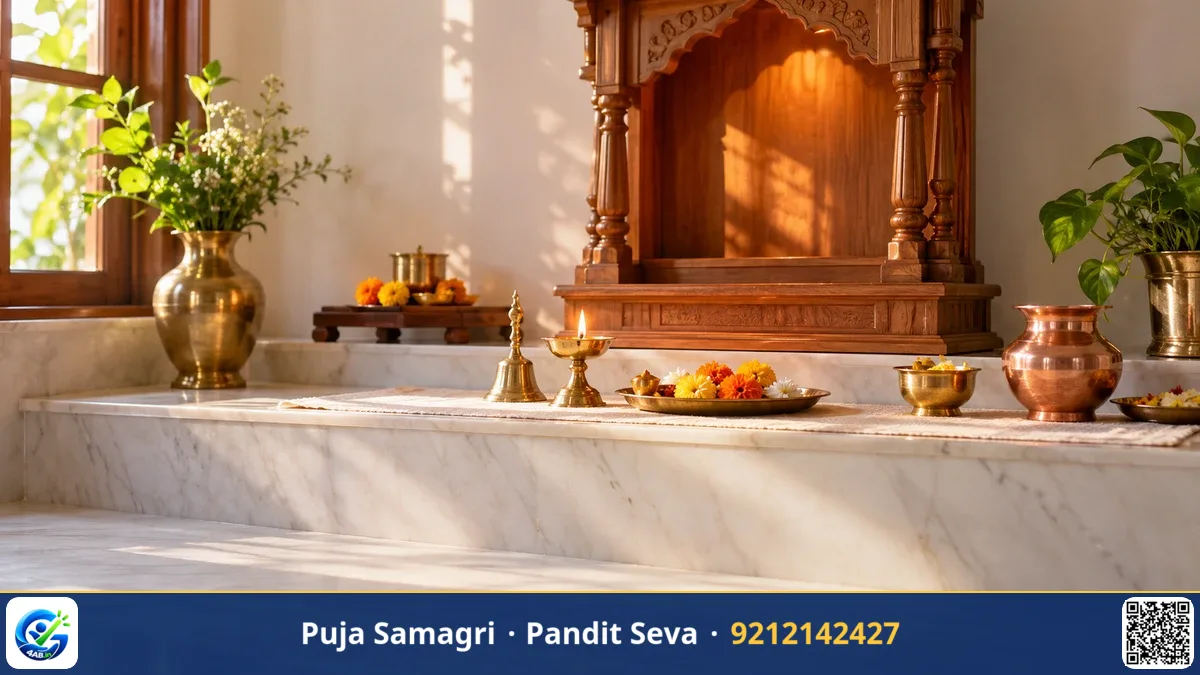
Creating a dedicated space for prayer and quiet reflection is a cherished practice in many Hindu households. Whether you have an entire room or a quiet corner in a modest apartment, setting up a home mandir (puja altar) provides a clean, tranquil focal point for daily worship (nitya puja). Because practices vary widely across regions, communities, and family traditions, there is no single rigid blueprint. The guidance shared here reflects common traditional conventions, but you should always confirm specific vidhi (rituals), auspicious timing (muhurat), and samagri (materials) with your family elder or trusted pandit.
Choosing the Right Direction and Location
In traditional Vastu and domestic conventions, the northeast direction (often called Ishanya kona) is widely considered an auspicious placement for worship. If orienting your mandir toward the northeast is impractical within your floor plan, east or north facing arrangements are common practical alternatives. The core traditional idea is that the person offering prayers faces east or north during devotion.
Beyond compass directions, everyday practicalities matter greatly for maintaining cleanliness and peace:
- Elevated surface: Place the altar on a raised platform, wall shelf, or wooden cabinet so that the deities rest at or above your chest level when sitting or standing.
- Distance from busy spaces: Avoid placing the altar directly beneath a staircase, against a shared bathroom wall, or inside a master bedroom if alternate space allows.
- Ventilation and safety: Ensure adequate air circulation for incense (dhoop or agarbatti) and oil lamps (diyas), keeping flames safely away from curtains, upholstery, and wooden overhangs.
Selecting the Mandir Structure and Materials
Home shrines come in various designs depending on space, budget, and personal taste. Traditional choices range from carved wood and stone to compact wall-mounted ledges:
- Sheesham or teak wood: Sturdy and durable, wooden mandirs offer a classic warmth and are easy to maintain with regular dusting.
- Marble or stone: Natural stone stays cool, resists oil stains well, and cleans easily with a damp cloth.
- Wall-mounted shelves: For apartments with compact footprints, a floating wooden or engineered wood shelf keeps the floor area uncluttered while maintaining an elevated, respectful altar.
Whatever material you choose, look for practical features such as a pull-out drawer to store wicks, matchboxes, camphor, and prayer books neatly out of view.
Arranging Deities and Murtis Thoughtfully
Traditional domestic worship emphasizes simplicity and reverence rather than overcrowding the altar. Elders often advise keeping a balanced, uncluttered layout so each sacred representation receives proper care and attention during daily rituals.
Consider these widely practiced guidelines when placing murtis (idols) and framed images (chitra):
- Asana (sacred cloth): Spread a fresh, clean cloth, traditionally red, yellow, or white cotton or silk, across the altar surface before placing any idols.
- Spacing and stability: Allow breathing room between representations rather than packing shelves edge to edge. Ensure each murti stands firmly so it cannot easily tip over during aarti or cleaning.
- Primary deity: Many families place their Ishta Devata (chosen personal deity) or Kula Devata (family deity) in the center, flanked by supporting representations such as Lord Ganesha.
- Avoid overcrowding: It is traditional in domestic settings to keep smaller, manageable murtis rather than temple-sized figures, making daily bathing (abhisheka) or wiping practical.
Essential Puja Samagri for Everyday Worship
Daily puja items should be functional, sturdy, and kept exclusively for sacred use. Copper, brass, bronze, and silver are traditional metal choices because they are long-lasting and hold ritual significance.
A standard collection of everyday samagri includes:
- Diya (oil or ghee lamp): A single-wick or multi-wick brass lamp to kindle light, symbolizing knowledge and presence.
- Ghanti (hand bell): Rung gently during invocation and aarti to focus attention and mark the worship period.
- Achamana patra and spoon (panchapatra): A small water vessel with a designated spoon used for purification before beginning prayers.
- Dhoop dani or agarbatti stand: A secure holder that safely catches falling ash from incense sticks or dhoop cones.
- Roli, chandan, and akshata containers: Small cups for holding kumkum (vermilion), sandalwood paste, and unbroken raw rice grains mixed with turmeric.
- Prasad plate: A clean, designated metallic dish for offering fruits, rock sugar (mishri), dry fruits, or freshly prepared food.
Daily Maintenance, Cleanliness, and Safety
A home mandir is sustained through daily care rather than elaborate weekly overhauls. Cultivating simple morning or evening habits keeps the space welcoming, hygienic, and dignified.
- Daily clearing: Remove wilted flowers, used wicks, and previous food offerings each morning before bathing the altar. Dispose of dried organic offerings respectfully in soil or compost rather than household trash.
- Wiping surfaces: Wipe the shelves with a soft, clean cotton rag designated only for the puja corner. Periodic gentle washing of brass vessels with lemon, salt, or pitambari powder restores their natural shine without harsh chemical residues.
- Fire safety: Never leave lit oil lamps, camphor, or burning incense completely unattended. If leaving the house, ensure the flame has naturally extinguished or use a glass-covered deepak chimney to prevent accidental drafts from spreading sparks.
Honoring Family Traditions and Consulting Your Pandit
While general guidelines offer a useful starting framework, Hinduism encompasses diverse regional customs, sectarian paramparas (lineages), and ancestral family rites. What is customary in a Gujarati home may differ from traditions observed in a Bengali, Tamil, or Maharashtrian household.
When establishing a new home mandir, particularly after moving into a new residence, consider consulting your family pandit for specific ceremonies such as Griha Pravesh (housewarming) or Vastu Shanti. Your priest can provide guidance on:
- The precise muhurat (auspicious time window) for installing the altar.
- Regional customs for prana pratishtha (consecration) or traditional sthapana rituals.
- Specific samagri lists customized for your family deity and seasonal festivals.
- Appropriate daily prayers and simple sankalpa (intentions) suited to your household routine.
Key Takeaways
- Choose a clean, tranquil location facing northeast, east, or north, keeping the platform raised.
- Opt for durable, easy-to-clean materials like wood or stone, with drawers to store daily supplies neatly.
- Keep the arrangement simple and uncluttered, leaving comfortable space between deities.
- Equip your altar with basic brass or copper vessels: a diya, bell, water cup with spoon, and prasad plate.
- Prioritize daily cleanliness and fire safety by clearing old offerings and monitoring open flames.
- Confirm specific installation rituals, dates, and practices with your family elder or trusted pandit.
This article describes common traditional practice for general education. Customs differ by region, family tradition and priest — please confirm the exact vidhi, muhurat and samagri with your pandit or family elder.