How to Book a Pandit for a Puja: Questions to Ask & Preparations
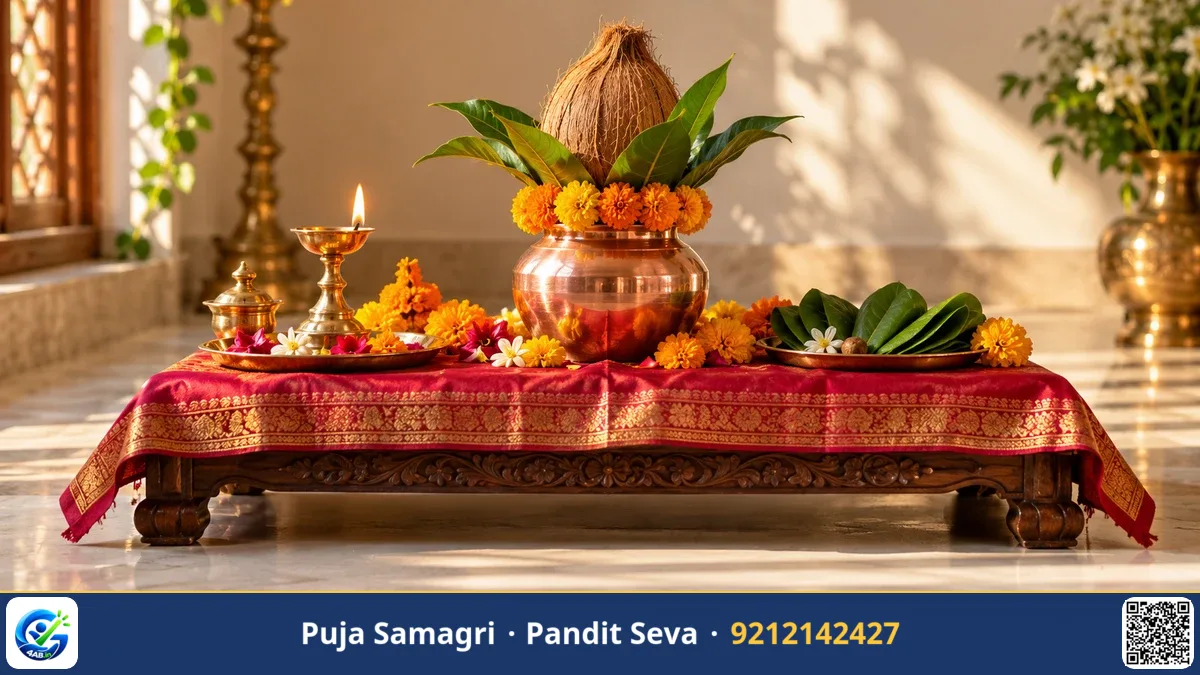
Arranging a sacred ritual at home brings a sense of peace, renewal, and devotional focus to the household. Whether planning a Satyanarayan Katha, a Griha Pravesh (housewarming ceremony), or a Navgrah Shanti, engaging a qualified pandit (priest) helps the ceremony follow your family's tradition. Because rituals, regional customs, and family lineages differ across communities, thoughtful preparation makes the experience seamless and spiritually uplifting. Customs differ by region, family tradition, and priest; always confirm the exact vidhi (ritual procedure), auspicious muhurat (timing), and samagri (ceremonial items) directly with your chosen pandit or family elders before finalizing arrangements.
Understanding the Purpose and Type of Puja
Before reaching out to a priest, clarify the primary purpose of your prayer. Different occasions require distinct Vedic or Puranic procedures, ranging from one-hour sankalpa (formal vow) sessions to half-day homam (sacred fire rituals). Identifying the occasion helps the pandit determine the necessary preparations, the required time commitment, and whether assistant priests are advisable.
Common household pujas include:
- Griha Pravesh: Performed before moving into a new residence, combining Vastu puja, Ganapati sthapana, and havan to purify the dwelling space.
- Satyanarayan Katha: A devotional recitation honoring Lord Vishnu, traditionally performed on Purnima (full moon days) or milestone occasions.
- Navgrah Shanti: A ritual invoking peace among the nine celestial influencers, often conducted during life transitions.
- Mundan or Naamkaran: Family samskaras (rites of passage) focused on early childhood milestones, requiring specific astrological considerations.
- Rudrabhishek: An abhishekam (sacred ceremonial bath) offered to the Shiva Lingam, common on Mondays and during Shravan.
Essential Questions to Ask When Booking a Pandit
Clear communication early in planning helps avoid misunderstandings on the day of the ceremony. When speaking with prospective priests, ask straightforward questions regarding their background, linguistic traditions, and ceremonial expectations.
- Regional Tradition and Language: Inquire about the tradition the priest follows (such as North Indian, South Indian, Bengali, or Gujarati vidhi) and the language used for explanations so the family can follow along meaningfully.
- Auspicious Timings and Duration: Ask the pandit to calculate the ideal muhurat using your family Janma Nakshatra (birth star) or the traditional panchang (lunar calendar). Clarify how long the full ceremony typically lasts to schedule your day smoothly.
- Number of Priests: For ceremonies involving extensive chanting or homam setups, clarify whether the pandit will bring an assistant (sahayak) or if one priest suffices.
- Fasting and Host Preparations: Ask whether the yajman (host performing the ritual) must observe a fast (vrat) prior to the sankalpa, and what attire is traditionally recommended.
- Dakshina and Offerings: Inquire politely about customary dakshina (respectful honorarium) expectations for the priest and assistants, and whether specific offerings like vastram (cloth offerings) are customary.
Clarifying the Puja Samagri List
Every ceremony requires a distinct set of sacred ingredients and ceremonial utensils. A well-organized samagri list ensures the pandit conducts each stage of the vidhi without interruption. Priests typically provide a checklist dividing items into pantry provisions, fresh perishables, and specialized ceremonial goods.
Review the list carefully with your pandit well ahead of time. Distinguish between items the family must arrange and any specialized articles the priest brings personally, such as copper havan kunds or yantras. Procuring raw materials several days in advance avoids last-minute stress.
Common ceremonial components include:
- Dry Sacred Goods: Akshat (unbroken raw rice grains mixed with turmeric), roli or kumkum (vermilion powder), chandan (sandalwood paste), haldi (turmeric powder), kapoor (camphor), and dhoop (incense).
- Fresh Botanicals: Paan leaves (betel leaves with intact stems), supari (whole betel nuts), fresh flowers, mango leaves (aam ke patte) for the kalash, and durva grass for Lord Ganesha.
- Dairy and Panchamrit Ingredients: Fresh cow milk, curd, desi ghee (clarified butter), madhu (honey), and boora or mishri (raw sugar).
- Ceremonial Vessels: Brass or copper lota (water pot), thaali (metal plates), aachmani (small ritual spoon), and diyas (earthen or brass lamps) with cotton batti (wicks).
Preparing the Home and Mandir Space
The physical environment sets the spiritual tone for the occasion. Traditionally, households thoroughly clean the living quarters the day before the puja. The area chosen for the sthandila (altar platform) or havan should be calm, well-ventilated, and spacious enough to seat family and guests comfortably.
When preparing the physical setup, consider these practical steps:
- Altar Setup: Set up a low wooden platform (chowki or patta) commonly facing East or North, covered with a clean, unstitched red or yellow cotton cloth.
- Floor Seating: Arrange comfortable floor mats (aasan) made of wool, kusha grass, or cotton for the priest and family. Keep low chairs ready for elderly relatives.
- Ventilation for Havan: If your ceremony includes a fire offering, ensure cross-ventilation by opening windows and positioning portable exhaust fans if necessary.
- Water and Disposal Stations: Keep clean water and hand towels nearby. Keep a dedicated brass container to collect used flowers and liquid offerings respectfully.
Etiquette, Hospitality, and Dakshina
Treating the pandit with traditional hospitality (atithi satkar) is an integral element of Hindu culture. Offer clean drinking water upon arrival, allowing a short period of rest before commencing the setup. Maintain a peaceful, attentive environment during the recitation of mantras, encouraging family members to sit quietly and absorb the atmosphere.
Dakshina is given as an expression of gratitude and reverence for the priest's sacred time and spiritual service. Present the honorarium along with a betel leaf, supari, and a coin or flower at the conclusion of the ceremony, during the final pranam (respectful bowing). If the family is hosting a meal (prasadam or bhojan), invite the priest to partake first or prepare a clean, satvik food package for them to take home.
Key takeaways
- Confirm the specific puja vidhi, auspicious muhurat, and regional customs directly with your pandit or family elders well in advance.
- Ask clear questions regarding ceremony duration, language of recitation, number of participating priests, and fasting guidelines for the host.
- Divide your samagri checklist into pantry dry goods, fresh botanicals, dairy for panchamrit, and ritual brass or copper utensils.
- Prepare a clean, quiet space facing East or North with adequate ventilation, comfortable aasan seating, and clean disposal bowls.
- Extend warm hospitality, maintain respectful decorum throughout the mantras, and present dakshina gracefully upon ritual conclusion.
This article describes common traditional practice for general education. Customs differ by region, family tradition and priest — please confirm the exact vidhi, muhurat and samagri with your pandit or family elder.