Amavasya in Vedic astrology: meaning and traditional views
This post explains what Amavasya is and how the panchang finds it.
You will also see how it is traditionally approached, so you can read your own panchang with confidence.
What Amavasya means
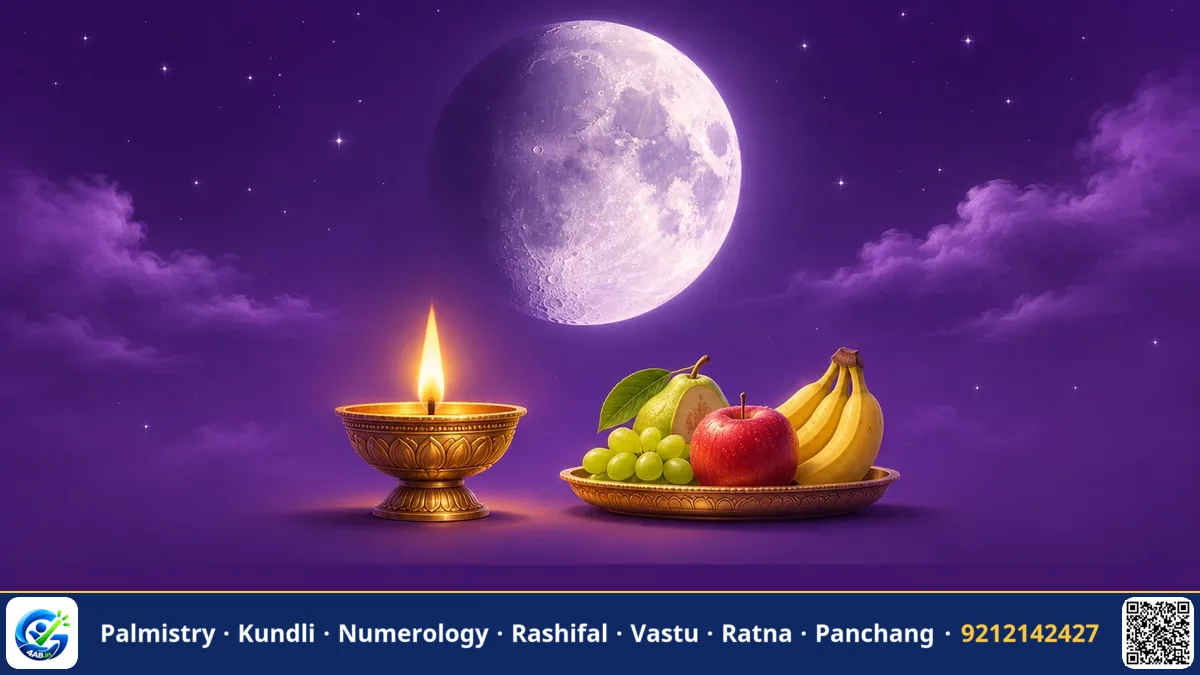
The word Amavasya (अमावस्या) is commonly understood as the day when the Sun and the Moon "dwell together". In the sky, the Moon lies in the same direction as the Sun. Its lit side faces away from us, so we see no Moon at night.
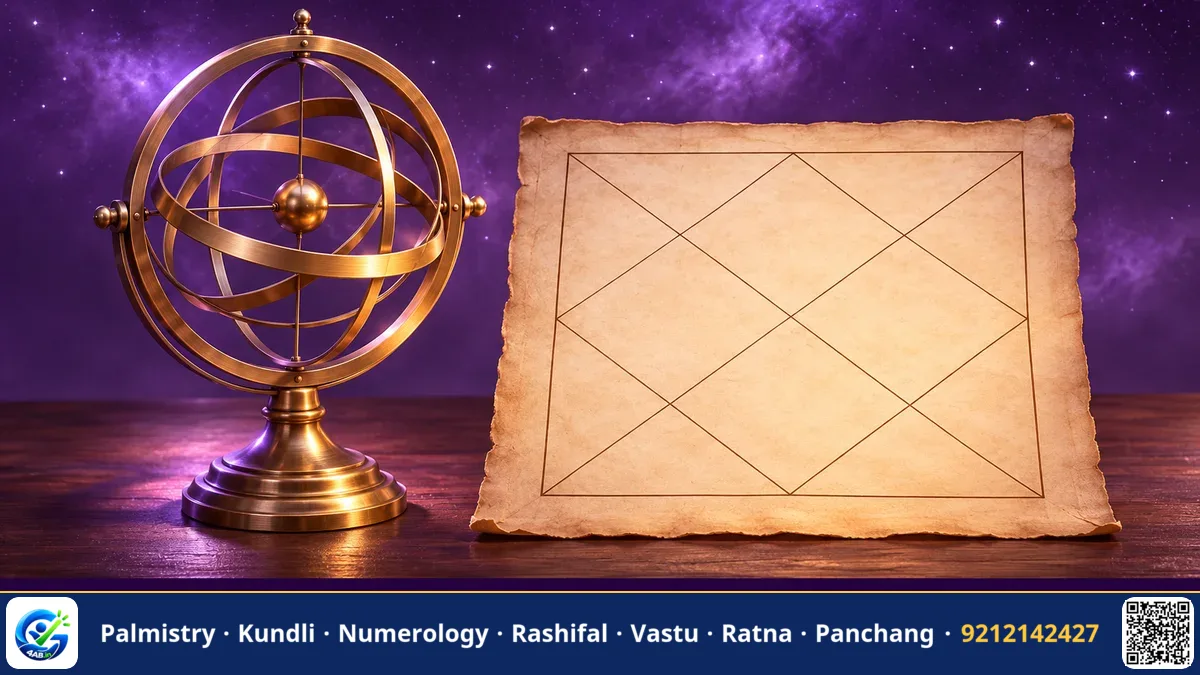
Vedic astrology is also called jyotisha. It is the traditional Hindu system of astrology, and it includes the study of timekeeping from the movements of the Sun, the Moon and the planets. Early jyotisha was concerned with keeping time, maintaining calendars and choosing suitable times for rituals. The Moon's cycle was the natural clock for the month, so Amavasya is one of the oldest markers in that system.
A tithi is a lunar day. It is not the same as a sunrise-to-sunrise day. Amavasya is one particular tithi, and the panchang tells you when it begins and ends.
How the panchang finds the new moon tithi
The panchang (पंचांग) is the traditional Hindu almanac. Its name means "five limbs". The five limbs are tithi, vara (weekday), nakshatra (the Moon's lunar mansion), yoga and karana (half of a tithi).
Tithi comes from one measurement: the gap between the Moon and the Sun, measured along the zodiac. Here is the method:
- Take the Moon's longitude and subtract the Sun's longitude.
- If the answer is negative, add 360°.
- Divide the result by 12°. Each 12° of gap is one tithi.
- Round the answer down and add one to get the tithi number.
A full circle of 360° gives thirty tithis. The first fifteen belong to the waxing half of the month, when the Moon grows brighter. The next fifteen belong to the waning half, when it fades. The last tithi of the waxing half is Purnima (full moon). The last tithi of the waning half is Amavasya.
Panchang makers use the sidereal zodiac. It applies a correction called ayanamsa for the slow shift of the equinox. Great Astrology uses the Lahiri ayanamsa in its sidereal calculations.
Worked example (illustrative numbers):
Suppose the Sun is at 200° and the Moon is at 195°.
- Moon minus Sun = 195 − 200 = −5°.
- Add 360° to get 355°.
- 355 ÷ 12 = 29.58, rounded down to 29.
- Add one: the tithi number is thirty, the last one, which is Amavasya.
When the gap reaches a full 360°, it becomes 0° again. The next lunar cycle begins, and the first tithi of the waxing half starts.
Tithis do not have a fixed length
Beginners often assume a tithi lasts exactly one day. It does not. The Moon and the Sun do not move at a constant speed, so the time taken to gain 12° changes from tithi to tithi. A tithi can begin or end at any hour of the day or night.
This is why a panchang gives start and end times for Amavasya. Sometimes the tithi touches two civil dates, and families then follow their local rule for which day to observe. Always read the timings for your own city, because they depend on where you are.
Amavasya and Purnima compared
Amavasya and Purnima sit at opposite ends of the lunar cycle. This table shows the difference.
| Point | Amavasya | Purnima |
|---|---|---|
| Position in the month | Last tithi of the waning half | Last tithi of the waxing half |
| Moon and Sun | Same longitude (gap of 0°, or 360°) | Opposite sides of the zodiac |
| Moon in the sky | Not visible | Fully lit |
| Traditional mood | Inward, quiet, remembrance | Open, celebratory, worship |
Traditional views on Amavasya
The points below are what is traditionally held. They are belief-based practices, not scientific findings, and they are not predictions for any person.
- Remembering ancestors. It is traditionally held that Amavasya is a suitable day to remember departed family members. Many families offer water, food or prayers in their memory.
- A quiet day for the mind. The Moon is associated with the mind in jyotisha. A moonless night is therefore traditionally seen as a time for stillness. Many people choose prayer, fasting or silence on this day.
- Caution about new starts. Some households traditionally avoid launching new ventures on Amavasya and prefer the waxing half. This differs by family and region, and not every tradition follows it.
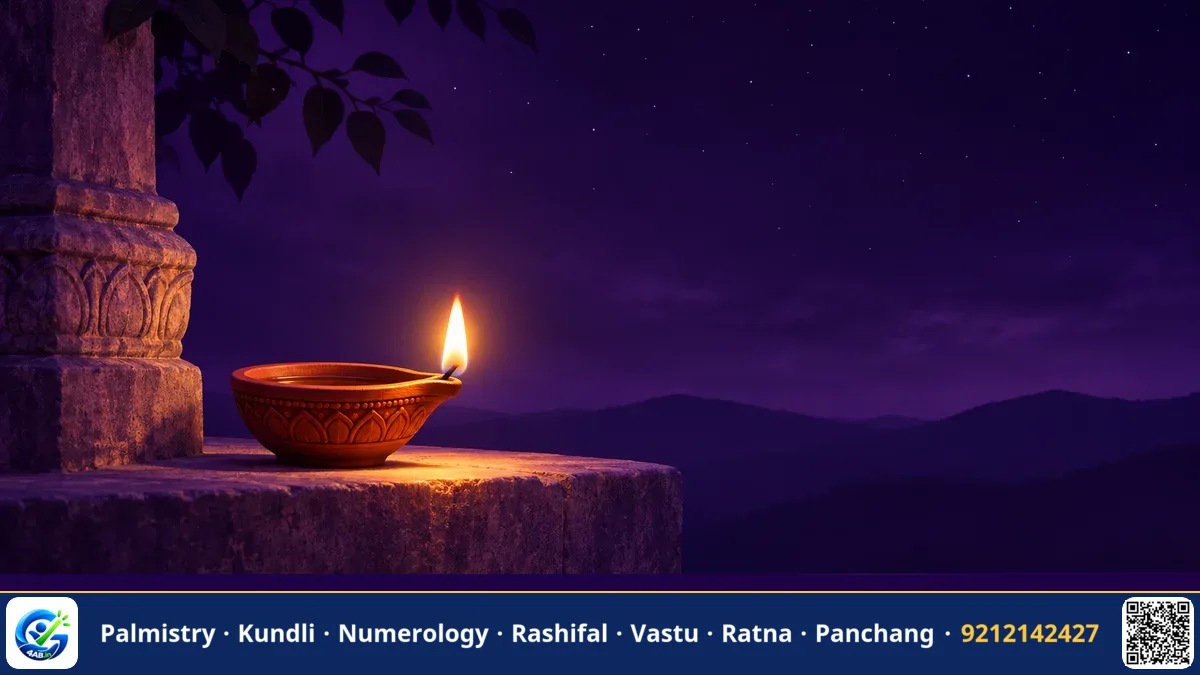
- Light in the dark. Lighting a lamp on a new moon night is a common practice. It is a simple way to mark the darkest night of the cycle.
Some Amavasyas are given extra importance by certain families or regions. If one is relevant to you, check your panchang first and follow your family's custom.
Two ways of naming the month
Regions of India count the lunar month differently. In the amanta system the month ends on Amavasya. In the purnimanta system the month ends on Purnima. This changes which month a given Amavasya belongs to.
That is why the same night can carry a different month name in different states. When a festival date looks different from what a friend in another state tells you, this is often the reason. Neither of you is wrong.
How to use this in practice
- Do not guess the date from the sky. Open the day's panchang and look at the tithi line.
- If it says Amavasya, note the start and end times for your city.
- Decide how you wish to observe the day, following your family's custom.
Beginners can start with a simple routine: a lamp, a short prayer and a quiet evening. You can read the Panchang section on Great Astrology alongside this post. If you want to see where the Sun and Moon stood at your own birth, the free Janam Kundli shows the planetary positions in a sidereal (Lahiri) chart.
Astrology is a traditional, belief-based system and is not scientifically validated. Use it for reflection, not as a substitute for professional medical, legal or financial advice.
Key takeaways
- Amavasya is the last tithi of the lunar month, when the Moon and the Sun share the same longitude.
- Tithi number = (Moon longitude − Sun longitude) ÷ 12°, rounded down, plus one.
- Tithis vary in length, so always read the start and end times in the panchang.
- Traditionally, Amavasya is linked with ancestors, stillness and lamps. These are matters of belief.
- Month names can differ by region because of the amanta and purnimanta systems.
Frequently asked questions
Is Amavasya the same as new moon?
In general, yes. Amavasya is the tithi in which the Moon and the Sun are at the same longitude, so the Moon is not seen. The panchang gives the tithi a start and an end time.
How many tithis are there in a lunar month?
There are thirty. Fifteen fall in the waxing half and fifteen in the waning half. Amavasya is the last of them.
Why does Amavasya sometimes appear on two dates?
A tithi does not start and end with the civil day. It can begin on one date and finish on the next. Families then follow their local custom to choose the day of observance.
Is Amavasya considered inauspicious?
Views differ. Some traditions avoid new beginnings on this day, while others value it for prayer, remembrance and quiet reflection. Follow your family's custom, and treat these views as traditional beliefs, not guaranteed outcomes.
What is the difference between amanta and purnimanta?
In the amanta system the lunar month ends on Amavasya. In the purnimanta system it ends on Purnima. The two systems name the same days differently.
What to do next. Try it yourself on the page below.
Free Kundli — Birth Chart, Dasha, Transits & Analysis →