Sun in Vedic Astrology: Traditional Meaning of Surya

This guide explains the classical role of Surya, the Sun, in traditional Vedic astrology.
You will learn its core significations, astronomical calculations, and practical ways to interpret its chart placement.
Understanding Surya as the primary graha of light
In traditional Indian astrology (Jyotisha), the root word derives from light. The discipline began as a practical method for observing time and astronomical cycles. Surya, the Sun, stands at the center of these cycles. While modern astronomy classifies the Sun as a star, classical Indian astrology treats it as a graha.
The Sanskrit word graha translates to an entity that grasps or holds influence. In traditional thought, a graha does not force events. It reflects patterns of consciousness and accumulated karma. Surya holds the royal seat among the nine grahas, representing leadership, duty, and life-giving warmth.
Classical tradition regards Surya as the natural atmakaraka (indicator of the soul and core identity). It represents your true self once external titles are set aside. While other planets describe shifting moods, Surya signifies enduring self-respect, honor, and inner purpose.
The sidereal zodiac and your true solar placement
Beginners often find that their Vedic Sun sign differs from their Western sun sign because the two traditions use different celestial measuring systems.
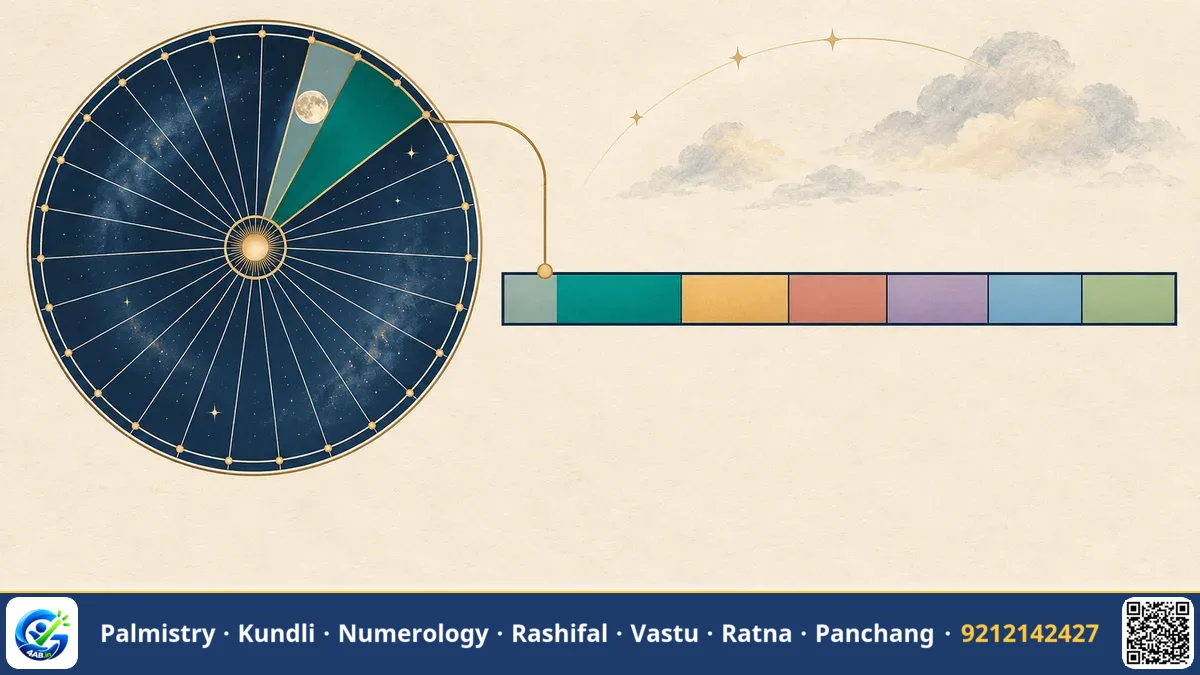
Western astrology uses the tropical zodiac, fixing zero degrees of Aries to the March equinox. Vedic astrology uses the sidereal zodiac (*nirayana*), measuring planetary positions against observable fixed stars. Because the Earth's axis wobbles over time—a motion known as axial precession—the equinox moves backward by roughly one degree every 72 years.
To keep positions aligned with the observable sky, Vedic astrology applies a mathematical correction called an ayanamsa. The Lahiri ayanamsa is the most widely adopted standard in India. Over centuries, precession has created a difference of nearly 24 degrees between tropical and sidereal calculations. For example, a person born on April 5 has the Sun in Aries under tropical astrology, but under the Lahiri ayanamsa, the Sun falls in Meena (Pisces). In a traditional Janam Kundli (birth chart), Surya must be calculated sidereally.
Classical significations and symbolic roles of the Sun
Every graha in Vedic astrology governs specific life areas, known as karakatwas (natural significations).
Surya represents the element of fire (tejas or agni), providing illumination, warmth, and digestive energy. In societal roles, the Sun is traditionally associated with rulers, judges, and administrators who maintain social order.
In family relationships, Surya is traditionally held to signify the biological father (pitru karaka), reflecting paternal guidance and lineage values. Regarding the body, classical traditions associate Surya with eyesight, bones, heart vitality, and stamina. These are traditional symbolic correspondences, not medical diagnoses.
| Domain | Traditional signification | Practical interpretation |
|---|---|---|
| Identity | Atma (soul), integrity | Core self-worth and principles |
| Social role | Ruler, government, authority | Executive leadership and duty |
| Family | Pita (father), ancestors | Paternal bond and lineage values |
| Natural element | Tejas (fire), light | Determination and mental focus |
| Physical body | Eyes, bones, heart | Vitality and stamina |
How the Sun operates across signs and houses
A graha expresses its energy through the sign (rashi) and house (bhava) it occupies. Surya naturally rules Simha (Leo), where it is traditionally held to be steady, confident, and generous.
Surya reaches exaltation at ten degrees of Mesha (Aries). In this cardinal fire sign, qualities of initiative, courage, and direction manifest easily. Conversely, Surya is traditionally held to be debilitated in Tula (Libra). Debilitation is not a curse. In Tula, a sign focused on compromise, executive authority must adapt to negotiation. A person with this placement is traditionally encouraged to cultivate independent confidence rather than relying on external approval.
Among the houses, Surya gains directional strength (digbala) in the tenth house. The tenth house governs professional standing and public action. A midday Sun shining overhead is traditionally held to illuminate your public duty and career leadership.
A worked example of reading the Sun in a chart
To understand how to interpret Surya methodically, examine this practical example:
Case study: An individual has a Vrishabha (Taurus) ascendant in a sidereal chart calculated with the Lahiri ayanamsa.
- House lordship: For a Vrishabha ascendant, Simha (Leo) occupies the fourth house. Because the Sun rules Simha, Surya becomes the fourth house lord governing home, emotional peace, and roots.
- House placement: Surya is located in the tenth house in Kumbha (Aquarius), an air sign ruled by Shani (Saturn).
- Synthesizing the placement: The lord of domestic peace sits in the house of public career. Traditionally, this configuration links home values with public responsibility, suggesting the individual brings a grounded ethic into professional duty.
- Teacher's rule: Never judge a planet by sign and house alone. Check the aspects it receives, the condition of its sign lord, and active timing cycles before forming an opinion.
How to examine Surya in your own Janam Kundli
Follow these sequential steps when analyzing Surya in your own birth chart:
- Generate your sidereal chart: Calculate your Janam Kundli using the Lahiri ayanamsa with exact birth details.
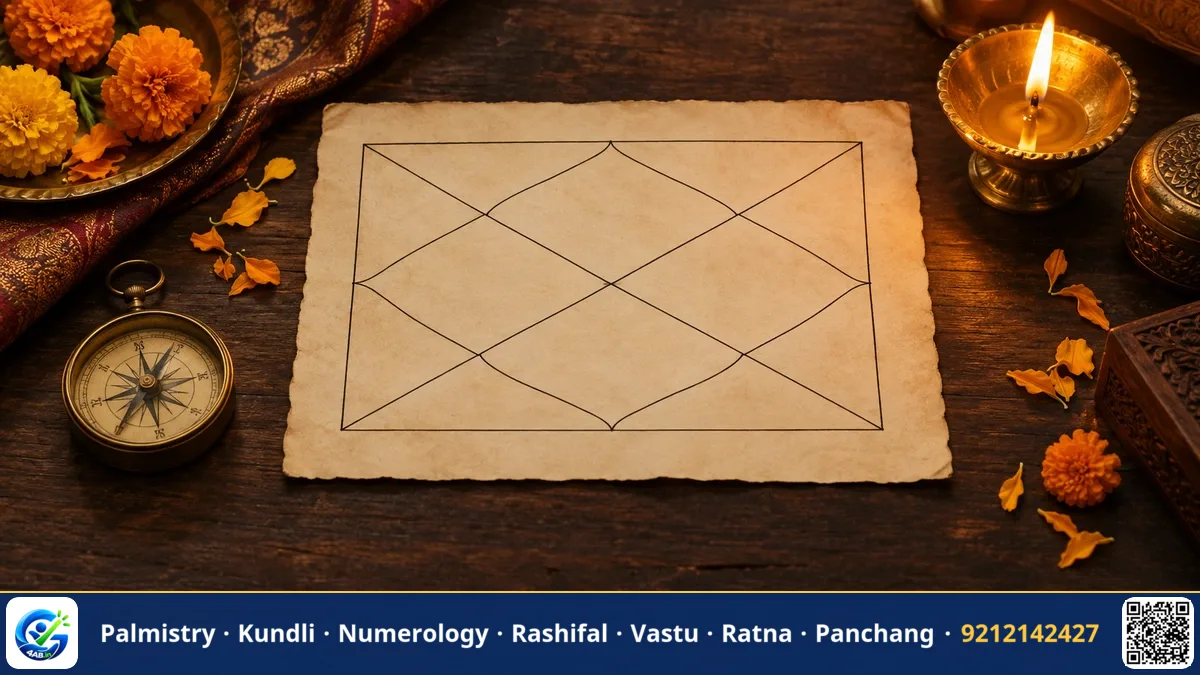
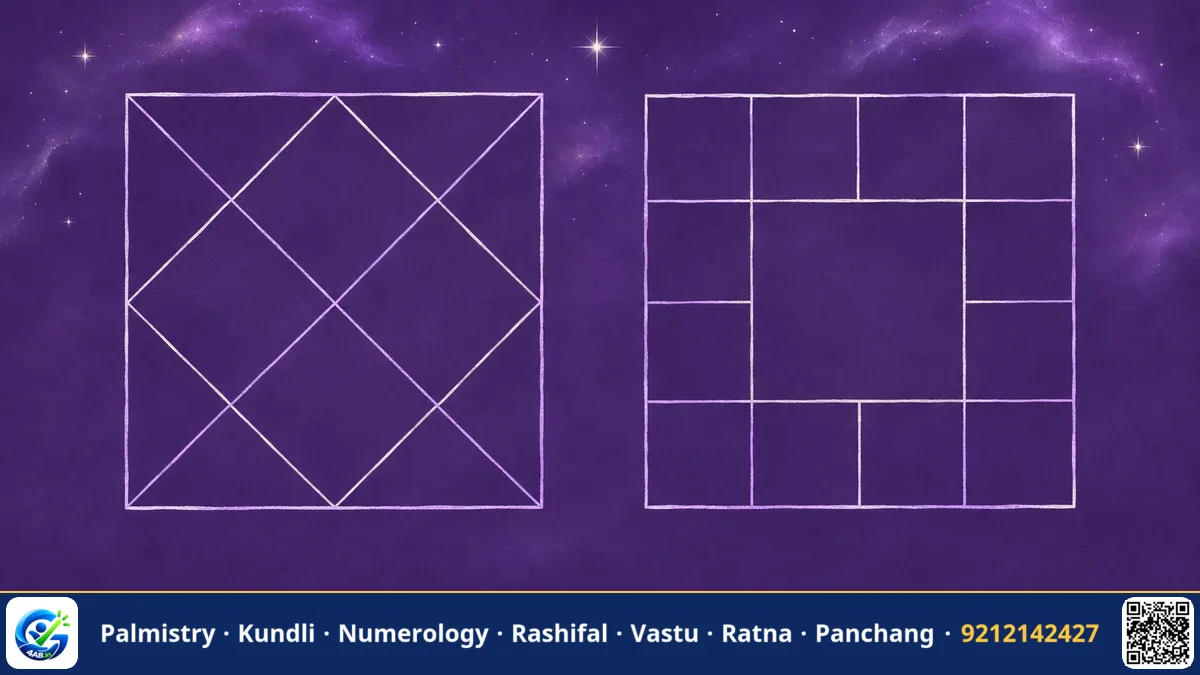
- Locate Surya: Identify the house and sign where the Sun sits in your North Indian or South Indian chart.
- Review the Sun Chart: Look at your Sun Chart (Surya Kundli), which treats Surya as the first house, highlighting conscious willpower and career drive.
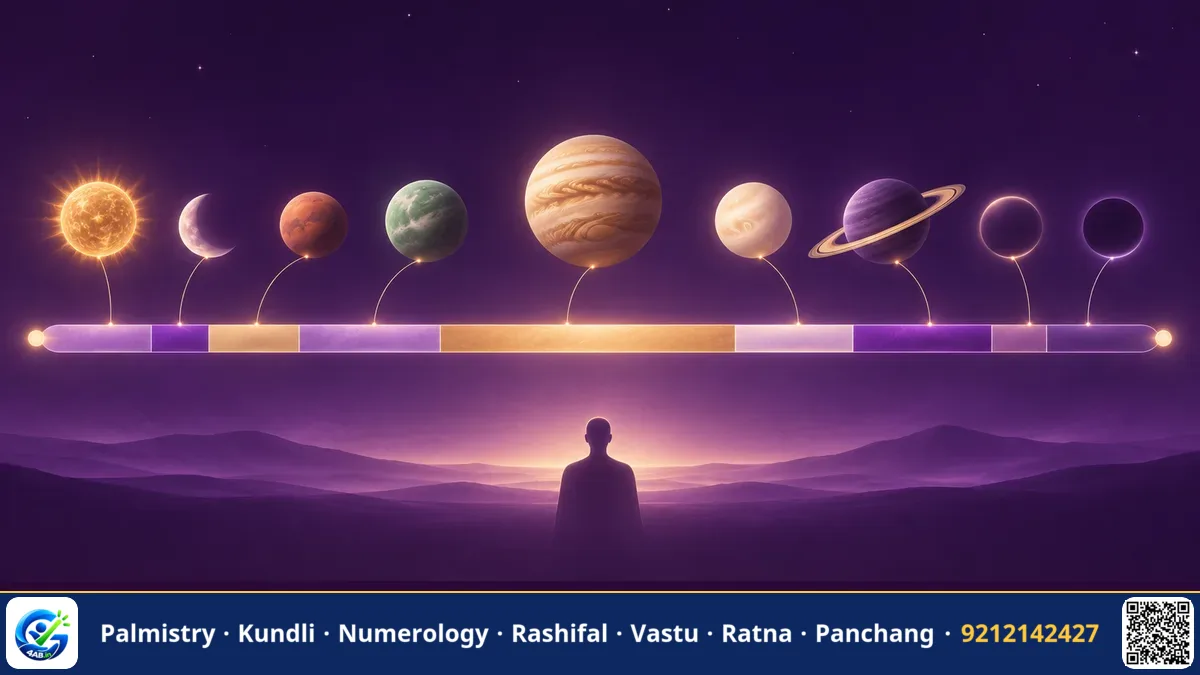
- Check your Vimshottari dasha: Review your dasha timeline. The six-year Surya mahadasha or a Surya antardasha highlights themes of authority and fatherhood.
- Track current transits: Observe the monthly transit (gochara) of the Sun across your natal houses to note which life areas receive focus.
Vedic astrology is an analytical framework for self-awareness. Use it to understand your duties rather than seeking rigid predictions.
Key takeaways
- Surya is the central graha in Vedic astrology, traditionally held to signify the soul (atman), father, vitality, and authority.
- Vedic astrology uses the sidereal zodiac with the Lahiri ayanamsa, aligning signs with observable constellations rather than equinoxes.
- Surya rules Simha (Leo), is exalted in Mesha (Aries), and gains directional strength (digbala) in the tenth house.
- A challenged Sun placement is not a failure; it invites conscious effort in developing healthy self-esteem.
- Always evaluate the Sun alongside house rulership, planetary aspects, and Vimshottari dasha periods.
Frequently asked questions
Why does my Vedic Sun sign differ from my Western sign?
Western astrology relies on the tropical zodiac based on equinoxes, while Vedic astrology uses the sidereal zodiac based on visible constellations. Because of axial precession, the two systems drift by one degree every 72 years. The Lahiri ayanamsa corrects for this shift, placing your sidereal Sun roughly 24 degrees behind the tropical position.
What does Surya indicate about the father?
Surya is traditionally revered as the pitru karaka, or natural indicator of the father. It reflects paternal guidance, lineage values, and your relationship with authority. Astrologers read Surya alongside the ninth house to assess paternal themes.
What is a Sun Chart or Surya Kundli?
A Sun Chart rotates your birth chart so that the house containing Surya becomes the first house. While your ascendant chart shows overall life circumstances, the Surya Kundli provides a specialized perspective on your willpower and professional ambition.
Does a debilitated Sun indicate poor career success?
No. Traditional astrology does not treat debility as a negative verdict. A debilitated Sun in Tula indicates that authority is expressed through negotiation rather than command. Success comes from developing firm boundaries while maintaining cooperative relationships.
What to do next. Try it yourself on the page below.
Free Kundli — Birth Chart, Dasha, Transits & Analysis →